
Adversity Builds Strength: How Growing Through Pain Changes You Forever
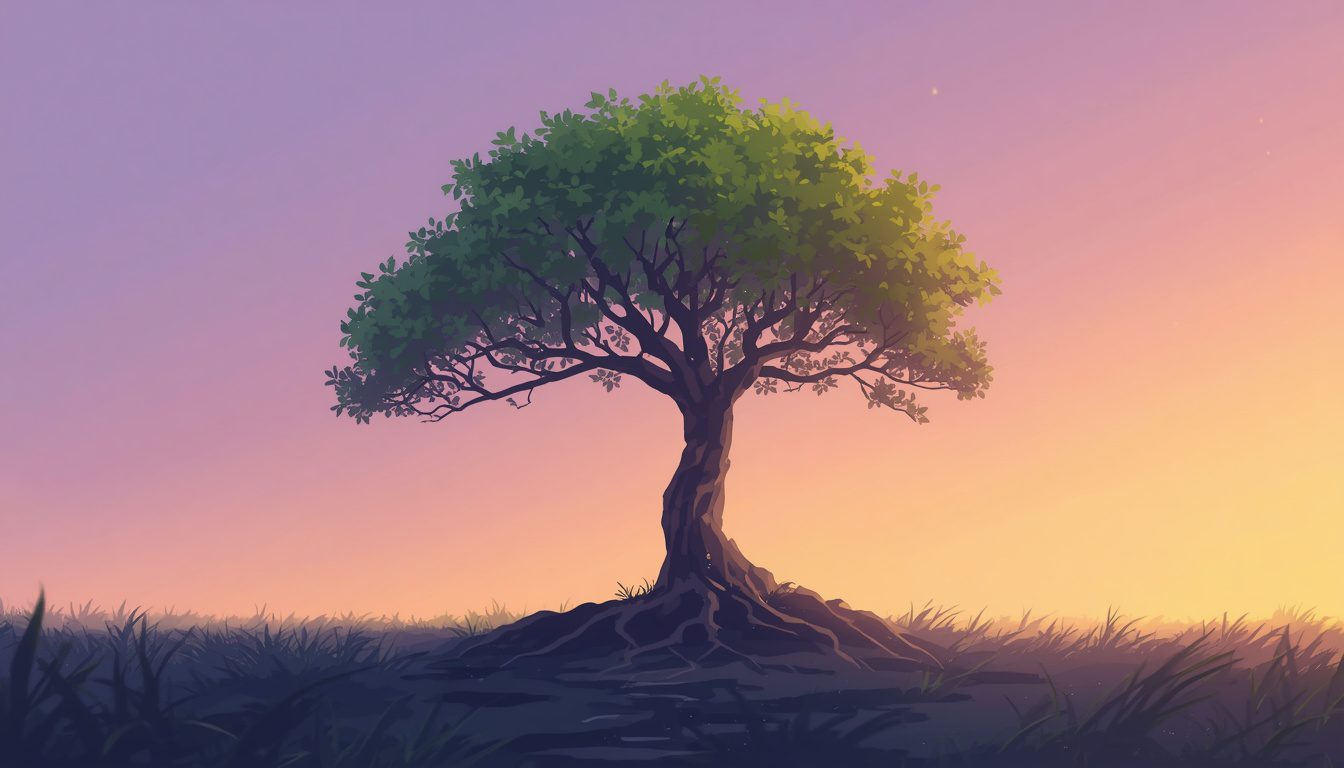
Adversity builds strength in ways that comfortable seasons never can — and the proof lives inside you already. The breakup that left you gutted. The job loss that made you question everything. The grief that arrived without warning and rearranged your entire world. At the time, none of it felt like anything other than pain. But understanding what was actually happening beneath the surface might be one of the most important shifts you ever make.
This is not a post that will tell you to be grateful for your suffering. That would be dismissive of everything you have been through. Instead, this is an honest look at what actually happens to you when life knocks you down — and why the version of you that gets back up is always, always stronger than the one who fell.
Table of Contents
Why Hardship Does Not Break You — It Builds You
Most people assume that strong people were just born that way. That resilience is a personality trait, something fixed at birth that some people simply have and others do not.
That is not how it works.
Research consistently shows that resilience and inner strength are developed, not inherited. They are built through experience, through challenge, through the very moments that feel like they might swallow you whole.
Think about a muscle. You do not build strength by resting. You build it by tearing the muscle fibers under tension so they can repair themselves thicker and more capable than before. The mind and the spirit work in a remarkably similar way. The psychological term for this is post-traumatic growth — a concept that describes the positive psychological changes that can emerge from a person’s struggle with highly challenging life circumstances.
This does not mean trauma is good. It means that humans have an extraordinary capacity to grow in the direction of their wounds.
The Science of How Adversity Builds Strength (It’s Not What You Think)
Psychologists Richard Tedeschi and Lawrence Calhoun, who pioneered post-traumatic growth research, found that many people who experience trauma report significant personal development on the other side of it. Things like greater appreciation for life, stronger relationships, increased personal strength, and a deeper sense of purpose.
According to the American Psychological Association, resilience is built through ordinary processes of human adaptation — not exceptional ones. It is ordinary people doing the quiet, difficult work of adapting to hard circumstances.
And here is the thing: you have almost certainly already done this, even if no one named it for you.
When you figured out how to keep going after something fell apart, you were building strength. When you cried all night and still showed up in the morning, you were building strength. When you asked for help even though it scared you, you were building strength.
The National Institute of Mental Health also notes that people process difficult experiences very differently, and that the timeline of recovery is not linear — which means there is no “right” way to grow from adversity. There is only your way.
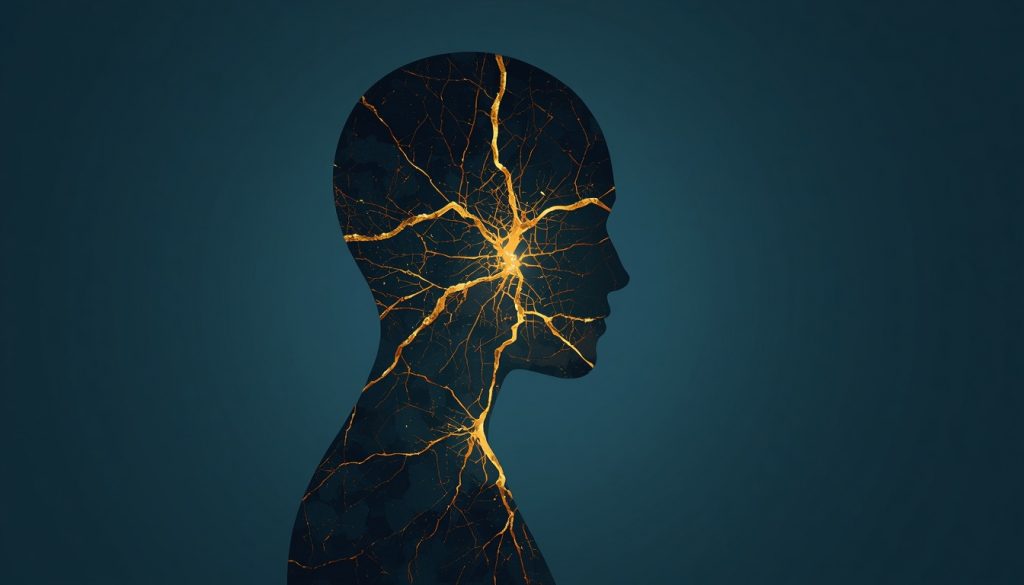
But data and research can only take you so far. What really lands — what actually reaches the part of you that is struggling — is story. So before we get into the practical steps, here are five real people whose hardest seasons quietly became their most defining ones.
Real Life Looks Like This: Five Stories of How Adversity Builds Strength
1. Maya: How a Layoff Became the Catalyst for Her Strongest Chapter
Maya had spent eight years climbing the ladder at a marketing agency she loved. When the layoffs came, she was blindsided. For three months, she barely left her apartment. She felt like a failure, like everything she had worked for meant nothing.
But in that quiet, painful space, something unexpected happened. She started writing again — something she had abandoned in her twenties. She began freelancing. Eighteen months later, she had built a business of her own, working with clients who actually valued her. She later told a friend, “I never would have left on my own. The universe had to push me.”
Adversity builds strength by forcing us out of comfort zones we would never leave voluntarily.
2. James: When a Relationship Crisis Became an Act of Rebuilding
James and his wife went through two years of what he calls “beautiful, terrible honesty.” A crisis in their relationship forced them into couples therapy — something both had resisted for years. It was painful. It uncovered wounds that went back to childhood for both of them. But on the other side of that process, James says he has a marriage that feels real for the first time. “We were roommates before,” he says. “Now we actually know each other.”
Adversity builds strength in relationships too, when both people are willing to do the work.
3. Priya: How Living With Anxiety Taught Her to Know Herself
Priya had lived with anxiety for most of her adult life and spent years trying to suppress it, outrun it, and pretend it did not exist. When her anxiety became severe enough to affect her work and relationships, she finally sought therapy. That decision — which felt like defeat at the time — became the turning point. She learned to understand her nervous system, to set boundaries, and to communicate her needs. She says now that her anxiety, as painful as it was, pushed her toward a self-awareness she would never have found otherwise.
4. Elijah: The Strength That Only Emerges After Rock Bottom
Elijah’s drinking had been a problem for years before it cost him his relationship, his apartment, and nearly his job. Hitting rock bottom is a phrase people use lightly, but for Elijah it was literal and terrifying. Recovery was long, non-linear, and humbling. But five years sober, he works as a peer counselor helping others in early recovery. He says the person he is today — the empathy, the patience, the depth — was forged entirely in those hard years.
Adversity builds strength that can then become a gift to others.
5. Sarah: Finding Herself on the Other Side of Grief
When Sarah’s mother passed away, she fell apart in ways she had not expected. She had thought of herself as a strong, capable person. Grief dismantled that identity entirely. But in the dismantling, she found something truer underneath. She began to understand what actually mattered to her. She quit a job she had always hated. She moved closer to her sister. She started therapy. She said losing her mother was the worst and most transformative thing that had ever happened to her, and she could not separate those two truths.
What Is Actually Happening Inside You During Hard Times
Understanding the inner process makes it easier to trust it.
When you face adversity, your brain activates its stress-response systems. This is biological, not a character flaw. But here is the extraordinary part: when you move through stress rather than being destroyed by it, your brain literally rewires.
Neuroscientists call this neuroplasticity — the brain’s ability to reorganize itself by forming new connections. Hard experiences, when processed with support and self-awareness, can result in a more flexible, adaptive, and emotionally sophisticated brain.
The Harvard Health Blog describes resilience as a skill set that can be actively developed — including the ability to regulate your emotions, find meaning in difficulty, and maintain connections with others.
You are not just surviving. Your nervous system is learning.
How Adversity Builds Strength: The Seven Things Hard Times Teach You
Understanding that adversity builds strength is one thing. Knowing what it actually teaches you is another. Here are seven of the most common and significant gifts that come from walking through fire:
1. You learn what you are actually made of. Nothing reveals your character like a crisis. The strengths you never knew you had only show up when they are needed.
2. You develop real empathy. People who have suffered tend to be better at sitting with others who are suffering. Pain builds compassion in ways comfort simply cannot.
3. You clarify your values. Hard times strip away everything nonessential. What is left is what actually matters to you — and that knowledge is genuinely priceless.
4. You become less afraid. Once you have survived something terrible, the ordinary fears that used to hold you back begin to loosen their grip. You know you can handle hard things because you already have.
5. You learn to ask for help. This might be the hardest and most important lesson. Most of us resist help until we cannot anymore. Adversity teaches us that needing others is not weakness — it is human.
6. You develop gratitude. Not the toxic positivity version of gratitude, but the quiet, bone-deep appreciation for the small things that is only possible after you have known what it is to lose.
7. You understand that you are not in control — and that is okay. Accepting uncertainty is one of the most liberating and difficult things a human being can do. Adversity has a way of teaching it whether we are ready or not.
How to Let Adversity Build You (Instead of Break You): Practical Steps
Adversity does not automatically produce growth. What matters is how you move through it. These steps are not about rushing your healing — they are about making sure you come out the other side with something to show for what you have been through.
If you are exploring how resilience develops on a deeper level, these practical steps work hand in hand with that science.
Step 1: Let Yourself Feel It Fully
Suppressing pain does not make it go away. It delays it and often amplifies it. Grief, rage, fear, confusion — these emotions need to move through you, not be stuffed down. Cry. Journal. Talk to someone. Let it out.
Step 2: Find One Small Thing You Can Control
When everything feels chaotic, anchoring to one small act of agency can help enormously. Make your bed. Go for a walk. Cook a real meal. Not because it fixes anything, but because it reminds you that you are not entirely powerless.
Step 3: Seek Connection, Not Isolation
The instinct when we are struggling is often to retreat. But isolation is one of the things most likely to keep you stuck. Reach out. Even imperfectly. Even when it is hard. You were not meant to carry this alone.
Step 4: Look for the Question, Not the Answer
Instead of asking “why is this happening to me?” try asking “what might this be teaching me?” That shift in framing does not bypass the pain — but it opens a door that despair keeps locked.
Step 5: Get Professional Support
There is no award for struggling alone. If what you are going through is beyond what you can process by yourself, therapy is not a last resort. It is a brave and intelligent first step. If you are wondering where to start, finding out about Acceptance and Commitment Therapy (ACT) might give you a helpful framework for working with your pain rather than against it.
Step 6: Track Your Growth Over Time
When you are in the middle of hard times, it is almost impossible to see how far you have come. Keeping a journal — even just a few sentences a day — creates a record of your journey. Looking back at where you were three months ago can be one of the most powerful reminders that adversity builds strength, even when you cannot feel it in the moment. Tracking your personal growth progress is something you can start even today, in the smallest possible way.
Step 7: Let the Hard Times Change You
The goal is not to return to who you were before the difficulty. That person did not know what you now know. The goal is to integrate what you have been through into a more complete, compassionate, and capable version of yourself.

The Danger of Suffering Without Growth
It is important to say this clearly: adversity does not automatically produce strength. Suffering without support, without reflection, and without processing can also produce bitterness, isolation, and ongoing pain.
The difference between adversity that builds you and adversity that breaks you down further often comes down to a few key factors: whether you have support, whether you allow yourself to feel, and whether you are able — even slowly, even imperfectly — to find meaning in what you have been through.
If you are in the midst of something painful right now, and growth feels like the last thing on your mind, please know this: that is completely normal. Growth is not something you pursue in the middle of the storm. It is something that becomes visible when the storm begins to pass.
And if you are still in it — if you cannot see the shore yet — building resilience is not about being superhuman. It is about taking the next small, quiet step. And then the next one.
A Word About Burnout and Adversity
One form of adversity that often goes unacknowledged is chronic stress and burnout. Many people dismiss it because there is no single dramatic event to point to — just a slow erosion of energy, meaning, and joy over months or years.
But burnout is real adversity. And the strength that comes from recognizing it, naming it, and doing something about it is just as valid as the strength that comes from surviving a crisis. The World Health Organization officially classifies burnout as an occupational phenomenon, recognizing its serious impact on health and functioning.
If burnout is part of your story, please know that finding your limits and deciding to honor them is not weakness. It is one of the most powerful forms of self-knowledge adversity can produce.
You Are Not Behind. You Are Becoming.
Here is the thing about the strength that adversity builds: it does not look the way you think it will. It is quieter. It is not the loud, dramatic version of strength you see in movies. It is the ability to sit with discomfort without running. It is the softness that comes from having been broken and choosing to stay open anyway. It is the way you hold space for someone else’s pain because you know intimately what it costs to carry it.
That kind of strength is not something you could have bought or wished into existence. It had to be forged. And you were the one doing the forging — even on the days it felt like it was being done to you.
You are not behind. You are not broken. You are becoming exactly who your hardest seasons were always quietly growing you toward.
And that person? That person is extraordinary.
Frequently Asked Questions
1. Does adversity always build strength? Not automatically. Adversity creates the conditions for growth, but growth requires processing, support, and reflection. Without these elements, prolonged difficulty can also lead to lasting harm. The key is moving through adversity with care, not just surviving it.
2. What is post-traumatic growth? Post-traumatic growth is a term used by psychologists to describe the positive psychological changes that can occur following a struggle with highly challenging life circumstances. It does not mean trauma is good — it means humans have a remarkable capacity to grow in the direction of their wounds.
3. How long does it take to grow from adversity? There is no fixed timeline. Growth from adversity is deeply personal and non-linear. Some insights come quickly; others take years. What matters is not the speed of your growth but the direction you are moving.
4. Is it normal to feel worse before you feel better? Absolutely. Healing and growth are rarely smooth upward trajectories. It is very common to feel the full weight of something only after the immediate crisis has passed. This is not a sign that you are doing it wrong — it is often a sign that you are finally safe enough to feel it.
5. How is adversity different from trauma? All trauma involves adversity, but not all adversity is trauma. Trauma typically involves experiences that overwhelm the nervous system’s capacity to cope. Adversity is a broader term for difficult challenges and setbacks. Both can contribute to growth, though trauma often requires professional support to process safely.
6. Can you build strength from everyday struggles, not just major trauma? Yes. Research on resilience consistently shows that it is built through the accumulation of everyday challenges — not just dramatic events. The ordinary difficulties of life, navigated with awareness and self-compassion, contribute significantly to long-term strength.
7. What if I do not feel stronger after a hard time? Give yourself time. Growth from adversity often only becomes visible in retrospect. If months have passed and you are still feeling stuck, it may be worth seeking professional support. Therapy, in particular, can help you process what you have been through and find the growth that is already there, even if you cannot see it yet.
8. How do I support someone else going through adversity? The most powerful thing you can offer is presence without advice. Resist the urge to fix or minimize their pain. Sit with them. Listen actively. Let them know you are not going anywhere. Sometimes the most healing thing another person can do is simply refuse to leave.
9. Is there such a thing as too much adversity? Yes. Chronic, relentless adversity without support or relief — especially in childhood — can be genuinely harmful rather than strengthening. This is why access to resources, community, and professional support matters so much. Growth from adversity is not inevitable; it is supported.
10. What is the first step I should take when facing adversity? Allow yourself to feel what you are feeling without judgment. Acknowledge the difficulty without minimizing it. Then reach out to one person — a friend, a family member, a therapist — and tell them you are having a hard time. Connection is almost always the first step toward finding your way through.
A Closing Thought
The hardest seasons of your life are not the interruptions to your story. They are some of its most important chapters. Adversity builds strength that no comfortable year could ever give you — a depth, a softness, a quiet knowing that you have been through something real and come out the other side still standing.
You are still here. And that is not nothing. That is everything.
Keep going. Keep growing. Mindbloom is right here with you, every step of the way.
Have you ever been through something that felt unbearable at the time — but quietly made you stronger on the other side? Tell me one thing below that you learned about yourself through a hard season. I read every single response, and your words might be exactly what someone else needs to hear today.
If this piece resonated with you, you might also find it helpful to explore how resilience develops over time — or to read about building resilience in your everyday life. Both go deeper into the science and practices touched on here.
Disclaimer
This article is written from lived personal experience and is intended for informational and supportive purposes only. It is not a substitute for professional mental health advice, diagnosis, or treatment. If you are struggling with a mental health condition, trauma, or a crisis, please reach out to a qualified mental health professional or a crisis helpline. In the US, you can contact the 988 Suicide and Crisis Lifeline by calling or texting 988. Mindbloom is a personal blog, not a clinical resource.