
Post-Traumatic Growth: The Science and Soul of Becoming Stronger After Trauma
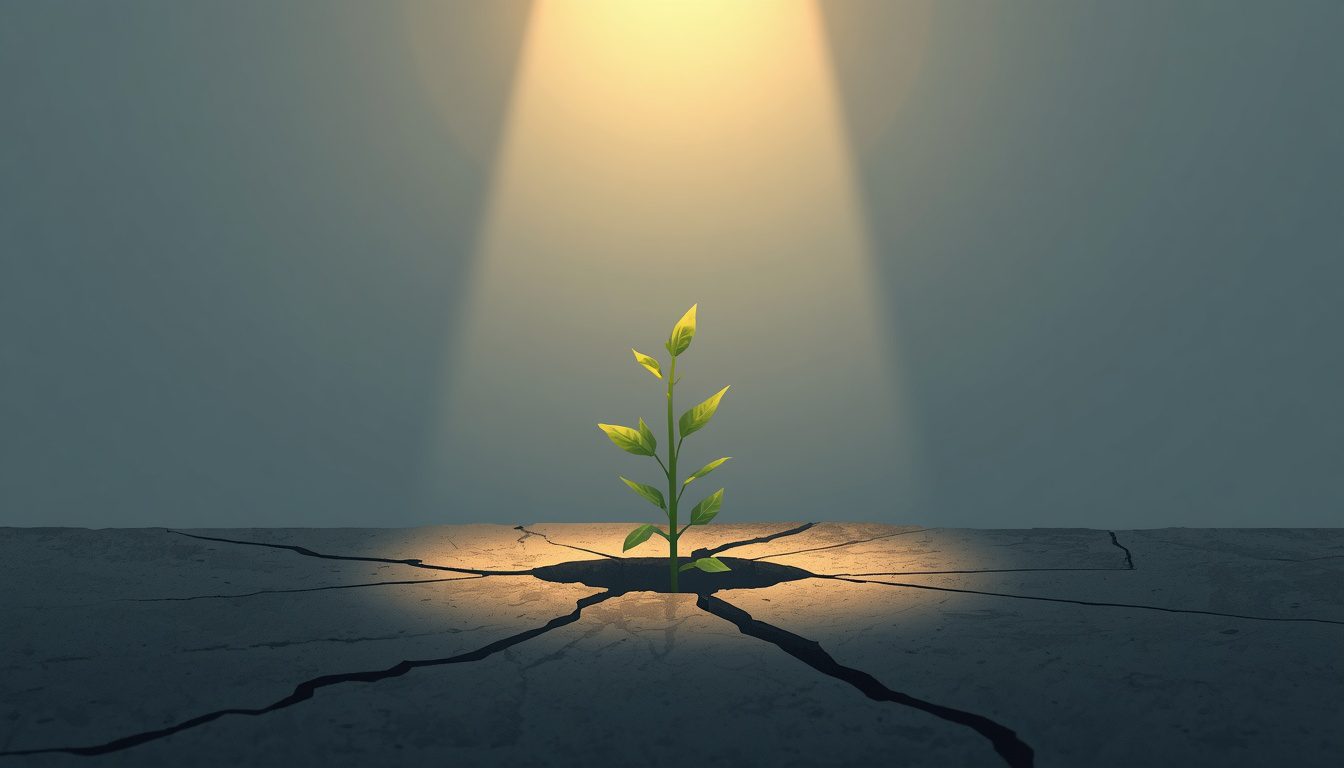
There is something nobody tells you when trauma is swallowing you whole: on the other side of a pain you were certain would break you, you sometimes find a version of yourself you never could have become any other way.
That is the quiet, remarkable truth behind post-traumatic growth — a real, researched psychological phenomenon that has changed how scientists and survivors alike understand what it means to heal. If you have ever come through something devastating and felt strangely, confusingly different afterward — stronger in places you didn’t expect, softer in others — this article was written for you.
Post-traumatic growth is not a motivational poster. It is not toxic positivity wrapped in a bow. It is a real, researched, deeply human experience of finding unexpected meaning, strength, and transformation after profound suffering. And more people are living it right now than you might think.
Whether you have been through a painful loss, a health crisis, a broken relationship, a job that shattered your sense of self, or a trauma that left you unsure of who you even are anymore — there is something here for you. Not a promise that everything happens for a reason. But a gentle truth: something meaningful can grow from even the hardest ground.
Table of Contents
What Is Post-Traumatic Growth? (The Definition You Actually Need)
Post-traumatic growth is a positive psychological change that some people experience following a struggle with a deeply challenging or traumatic life event. Unlike simple resilience — which means bouncing back to baseline — post-traumatic growth means emerging from trauma with a fundamentally expanded sense of self, meaning, and possibility.
The term “post-traumatic growth” was first formally studied by psychologists Richard Tedeschi and Lawrence Calhoun at the University of North Carolina in the 1990s. They noticed something fascinating among trauma survivors: a significant number of them did not just recover, they actually described becoming stronger, deeper, more connected to life because of what they had endured.
Research published in the Journal of Traumatic Stress defines post-traumatic growth as “positive psychological change experienced as a result of the struggle with highly challenging life circumstances.” Note that word: struggle. Growth does not come from the trauma itself. It comes from the work of wrestling with it, sitting with it, and slowly — sometimes painfully slowly — making sense of it.
Post-traumatic growth is not the same as resilience, although the two are often confused. Resilience means bouncing back to where you were before. Post-traumatic growth means ending up somewhere new — somewhere you may not have even known existed.
It is also not universal. Not everyone who experiences trauma will experience growth. And that is okay. There is no right way to survive.
The 5 Domains of Post-Traumatic Growth (According to Research)
Tedeschi and Calhoun identified five distinct areas where people often report growth after trauma. You may recognize one or more of these in your own story.
1. Personal Strength
Many survivors describe discovering a strength they never knew they had. Not the loud, showy kind — but a quiet, bone-deep knowledge that says: I survived that. I can handle this.
Maria, a 34-year-old teacher from Ohio, described it this way after losing her mother unexpectedly: “I used to be terrified of hard conversations. After losing her, I realized I had already done the hardest thing I could imagine. Everything else felt manageable in comparison.”
2. New Possibilities
Trauma has a way of breaking open our carefully constructed plans — and sometimes, in that broken space, we find a door we never would have opened otherwise.
James had spent ten years climbing the corporate ladder when a serious illness forced him off the track entirely. During his recovery, he started writing. Two years later, that “time off” had become a new career that finally felt like his own.
3. Relating to Others
People who have experienced deep suffering often report feeling more genuinely connected to the people around them. There is something about going through the fire that strips away the small talk and leaves you hungry for real, honest human connection.
4. Appreciation for Life
Ordinary moments — a cup of coffee in the morning, a text from a friend, sunlight through a window — can suddenly feel unbearably beautiful after a close brush with loss. Survivors often describe a profound shift in what they notice and what they value.
5. Spiritual or Existential Change
For many people, trauma becomes the catalyst for deeper questions about meaning, purpose, faith, and identity. Some become more spiritual. Others move away from beliefs that no longer fit. Almost all become more intentional about why they are living the way they are.
This Is Not “Everything Happens for a Reason”
Let’s pause here for something important.
Post-traumatic growth does not mean your trauma was good. It does not mean you should be grateful it happened. And it absolutely does not mean someone else gets to tell you that your pain served a purpose.
What it means is this: human beings are astonishing in their capacity to find meaning even in meaningless suffering. That capacity belongs to you. It is not forced on you. It is not owed to anyone. And it does not erase what you went through.
The American Psychological Association notes clearly that post-traumatic growth and ongoing distress are not mutually exclusive. You can be growing and still hurting. You can be changing and still grieving. Both things are true at the same time.
Real Post-Traumatic Growth Examples: Stories That Might Sound Like Yours
The following are illustrative examples drawn from common experiences described in post-traumatic growth research and survivor accounts. Names have been changed.
Growth does not always look the way we expect. Here are a few more relatable examples that might resonate with where you are.
Sara went through a divorce at 41 after a 15-year marriage. She described the first year as “walking through fog with no floor.” But somewhere in that fog, she quietly rediscovered a version of herself she had forgotten — the woman who loved painting, who had a dry sense of humor, who wanted to travel solo. Three years later, she says she does not recognize the person she was inside that marriage. “I lost myself so gradually, I didn’t even notice. Losing him helped me find me.”
David was involved in a serious car accident that left him with lasting physical injuries. The recovery was long, frustrating, and humbling. But he also describes it as “the first time I ever really let people help me.” He had been fiercely independent his whole life. The accident cracked that open. “I actually have friendships now that go deep, because I finally stopped pretending I had it all together.”
Priya struggled with a severe anxiety disorder for years before reaching out for therapy. She describes her mental health journey as its own kind of trauma — the shame, the isolation, the years spent not fully living. But working through it eventually led her to train as a peer support counselor. “I use every hard thing I went through in my work now. None of it was wasted.”
These are not neat, tidy, happy endings. They are honest, ongoing, complicated lives — with a thread of growth running quietly through them.
Why Does Post-Traumatic Growth Happen?
Psychologists believe that significant trauma often shatters what they call our “assumptive world” — the invisible set of beliefs we carry about how life works, who we are, and how safe we are. When that worldview is shattered, we are forced to rebuild it.
And in the rebuilding, we have a choice — even if it rarely feels like one. We can reconstruct the same worldview we had before, or we can build something larger, more honest, more spacious.
According to research from the University of North Carolina at Chapel Hill, the struggle to rebuild that shattered world is where the growth actually happens. It is not passive. It requires deliberate reflection, support, and often a willingness to sit with deep discomfort for a long time.
This is also why post-traumatic growth is not something that can be rushed or manufactured. It emerges in its own time, in its own way. Your only job is to not abandon yourself in the process.
The Difference Between Post-Traumatic Growth and Toxic Positivity
This is a distinction worth saying clearly, because it matters.
Toxic positivity sounds like: “Everything happens for a reason.” “At least you have your health.” “You should be over it by now.” “Just be grateful.”
Post-traumatic growth sounds like: “That was devastating, and I am still here. And I am not the same person I was before — in some ways, in ways I never asked for, I think I am more.”
One dismisses your pain. The other holds it alongside something quietly remarkable.
If someone has ever tried to rush your healing by pointing to silver linings, that is not post-traumatic growth. That is discomfort with your pain. You do not have to accept it.
How to Gently Support Your Own Post-Traumatic Growth
Growth cannot be forced, but it can be tended to. Here are some gentle, practical ways to create the conditions for it — without bypassing your grief or rushing your process.
Allow Yourself to Actually Feel It
This sounds obvious, but so many of us skip it. We get busy. We distract ourselves. We intellectualize. Real growth requires that you actually feel what happened to you — not wallow in it indefinitely, but feel it.
If you have been struggling to do this, exploring Mindbloom’s emotional healing resources might offer a gentle starting point for understanding your emotional responses more deeply.
Find a Safe Space to Talk
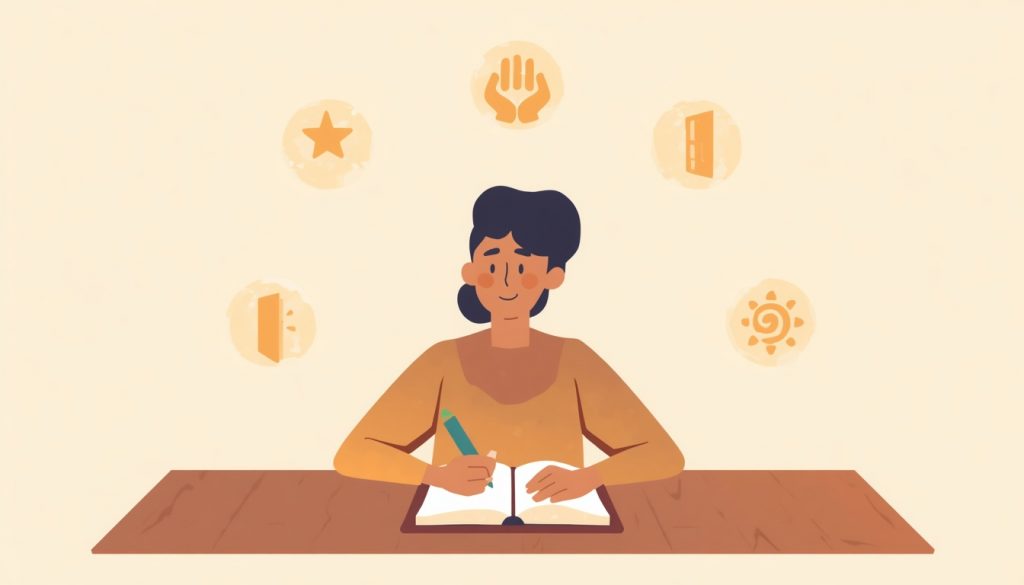
Whether that is a therapist, a trusted friend, a support group, or a journal — putting language to what happened is one of the most powerful tools for integration. When we can tell our story, we begin to make meaning from it.
If you are considering therapy but feel unsure where to begin, Mindbloom’s guide to acceptance and commitment therapy explores one approach that many trauma survivors have found genuinely helpful.
Let Others In
One of the areas of growth Tedeschi and Calhoun identified is deepened relationships — but that can only happen if you let people close enough to see you. That is terrifying after trauma. It is also one of the most healing things you can do.
Look for Small Shifts, Not Big Revelations
Post-traumatic growth is rarely a lightning bolt moment. It is usually a slow accumulation of quiet realizations: I handled that better than I used to. I said what I actually meant. I chose myself today.
Start noticing those moments. Write them down if that helps. They are the evidence of your growth, even when growth feels invisible.
Ask Yourself Meaningful Questions
Not “why did this happen to me?” — which often has no satisfying answer — but “who am I becoming because of this?” and “what do I actually value now that I didn’t before?”
These questions can feel uncomfortable. They can also unlock something profound. Exploring the personal growth meaning behind your experience is a powerful step toward making sense of who you are after hardship.
Be Patient With Yourself
There is no timeline for post-traumatic growth. Some people notice changes within months. For others, it takes years. Both are normal. Both are real. The only pace that matters is yours.
When Post-Traumatic Growth Does Not Come
It is worth saying this gently but clearly: not everyone who goes through trauma will experience growth. And that does not mean you are doing something wrong, or that you are not strong enough, or that you are somehow failing at healing.
Some traumas are too severe. Some people do not have the support they need. Some wounds take a very long time, or require professional help to begin to move. Some people carry their pain in ways that look like ordinary life, and that is its own kind of quiet bravery.
According to the National Institute of Mental Health, PTSD is a real clinical condition that affects millions of people, and professional support can make a profound difference. If your pain is persistent, overwhelming, or interfering with your daily life, please reach out to a mental health professional. Growth is not something you have to earn before you deserve help.
The Neuroscience Behind the Change
Here is something quietly extraordinary: trauma actually changes the brain. And so does recovery.
Research shows that trauma can alter the structure and function of key brain regions — including the prefrontal cortex, which governs decision-making and emotional regulation, and the amygdala, the brain’s threat detection center. After significant trauma, these areas can become dysregulated, explaining why survivors often feel hypervigilant, emotionally overwhelmed, or disconnected from themselves.
But here is the part that matters: the brain is not fixed. Neuroplasticity — the brain’s lifelong ability to rewire and reorganize itself — means that healing, therapy, reflection, and connection can create measurable physical changes in the brain over time.
In other words, the transformation you feel on the other side of deep healing is not just emotional or spiritual. It is neurological. You are, quite literally, becoming someone new at a cellular level.
What If I Am Still in the Middle of It?
If you are reading this from the middle of something terrible — if you are not yet anywhere near the “growth” part, if you are just trying to survive today — then this section is for you.
You do not need to be okay right now. You do not need to find the lesson in this. You do not need to be growing.
You just need to still be here tomorrow.
Post-traumatic growth is not something you aim for in the acute phase. It is something that emerges, in its own time, when the conditions are right. Right now, your only job is to take care of yourself as gently as you possibly can.
If the weight you are carrying is connected to questions about identity, meaning, or who you are on the other side of all this, the existential anxiety article here on Mindbloom speaks directly to that particular kind of ache — the one that goes deeper than just feeling sad.
A Closing Thought
You did not choose what happened to you. But you are still here.
And the fact that you are searching for meaning — that you are reading an article about growth when you could just be numb — says something extraordinary about who you already are.
Post-traumatic growth is not a reward for surviving. It is not something you have to earn or deserve. It is something that quietly, stubbornly, lovingly emerges from the human spirit when it is given even a small amount of room to breathe.
Whatever broke you open — you are not broken. You are becoming. And becoming, even when it hurts, is one of the most alive things a person can do.
Keep going. Slowly. At your own pace. But keep going.
Frequently Asked Questions About Post-Traumatic Growth
1. What is post-traumatic growth in simple terms? Post-traumatic growth is when a person experiences meaningful positive changes in their life as a result of struggling through a deeply painful or traumatic experience. It does not mean the trauma was good — it means something unexpected grew from the struggle.
2. Is post-traumatic growth the same as being resilient? No. Resilience means returning to who you were before the trauma. Post-traumatic growth means moving beyond that — becoming someone new, deeper, or more self-aware because of it.
3. Does everyone experience post-traumatic growth? Not everyone does, and that’s completely okay. Post-traumatic growth depends on many factors — including the severity of the trauma, the presence of social support, and individual personality. The absence of growth is not a sign of weakness or failure. It may simply mean more time, more support, or a different kind of healing is what’s needed.
4. How long does post-traumatic growth take? There is no set timeline. For some people, subtle shifts begin within months. For others, it unfolds over years. It is not something you can rush, and it is not something that follows a predictable path.
5. Can you experience post-traumatic growth and still be struggling? Absolutely yes. Growth and grief, growth and PTSD, growth and ongoing pain can all coexist. They are not opposites. You can be changing profoundly and still have really hard days.
6. What kinds of trauma can lead to post-traumatic growth? Research has found post-traumatic growth reported after many types of trauma including illness, bereavement, divorce, natural disasters, abuse, accidents, and significant life transitions. The type of trauma matters less than the depth of the psychological struggle involved.
7. Is post-traumatic growth real or just a coping mechanism? It is both — and that does not make it any less real. Finding meaning and growth is itself a healthy, adaptive response. Decades of peer-reviewed research support its existence as a genuine psychological phenomenon.
8. What is the difference between post-traumatic growth and toxic positivity? Toxic positivity dismisses pain and forces a positive spin on it. Post-traumatic growth acknowledges pain fully and describes something that emerges alongside it — not instead of it.
9. Can therapy help support post-traumatic growth? Yes. Therapeutic approaches like narrative therapy, acceptance and commitment therapy (ACT), and trauma-focused cognitive behavioral therapy (CBT) can create the conditions for post-traumatic growth by helping you process, integrate, and make meaning from your experience.
10. How do I know if I am experiencing post-traumatic growth? Some common signs include a deeper appreciation for life, a sense of increased personal strength, new priorities or values, more meaningful relationships, and a greater openness to spiritual or existential questions. These changes often feel quiet and gradual, not dramatic.
If something in this article landed for you — even just one line — I’d love to know. What is one small shift you’ve noticed in yourself after a hard time? It doesn’t need to be big or polished. Drop it in the comments below. Your words might be exactly what someone else needs to read today.
Disclaimer
This article is for informational and personal support purposes only. Mindbloom is a personal wellness blog and is not a substitute for professional mental health care, therapy, or medical advice. If you are experiencing symptoms of PTSD, clinical depression, anxiety, or any mental health condition, please seek support from a qualified mental health professional. If you are in crisis, please contact a helpline in your country. You can find one at befrienders.org.