
Insomnia Remedies That Actually Work: Science-Backed Ways to Finally Sleep
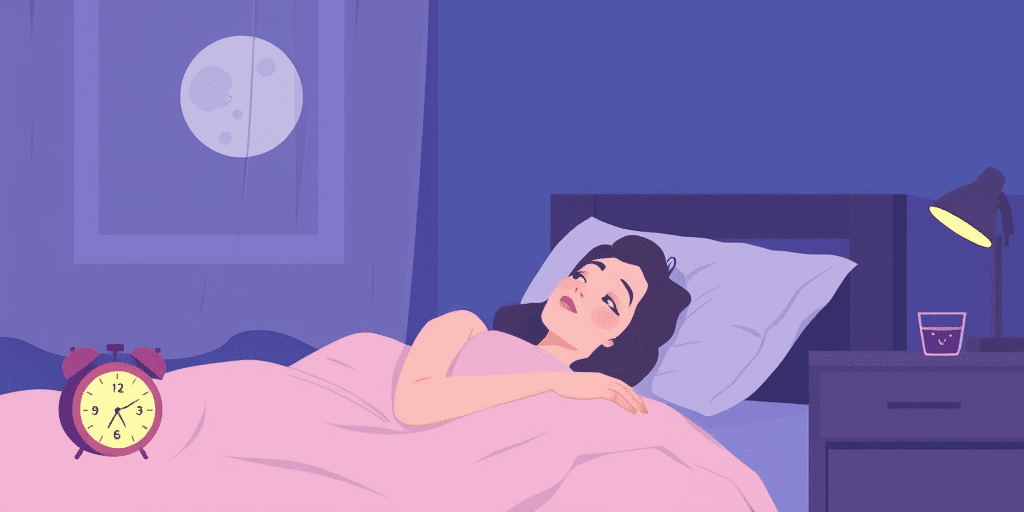
You are lying in bed. The room is dark, the house is quiet, and you are absolutely, completely, painfully awake.
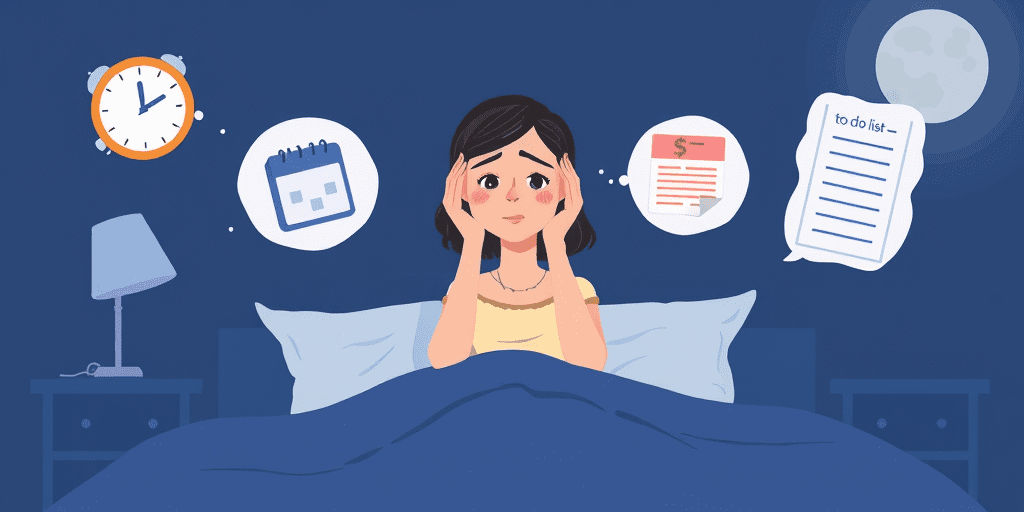
You check the clock. It is 2:14 a.m. You have to be up in four hours. You close your eyes, will your brain to stop talking, and spend the next forty minutes mentally rehearsing tomorrow’s to-do list, replaying an awkward conversation from three weeks ago, and wondering whether you left the stove on.
If that sounds familiar, you are not alone — and you are in the right place. Millions of people search for insomnia remedies every night, desperate for something that actually works. This guide gives you exactly that: the real causes of sleeplessness, what chronic insomnia does to your body and mind, and practical, evidence-backed strategies you can begin using tonight.
This guide is your honest, no-fluff companion to understanding insomnia remedies — but more than that, it is about understanding why you can’t sleep in the first place, what it is quietly doing to you, and what you can actually do about it tonight, this week, and long term.
Let’s talk about it.
Table of Contents
What Exactly Is Insomnia? (It’s More Than Just “Not Sleeping”)
Most people think insomnia simply means you can’t fall asleep. But insomnia is actually a broader experience that shows up in several ways.
You might have trouble falling asleep — lying there for an hour or more before drifting off. You might struggle with staying asleep — waking up at 3 a.m. and staring at the ceiling until dawn. Or you might wake up far too early in the morning, fully alert, and unable to get back to sleep no matter how tired you feel.
Insomnia is generally split into two types:
Acute insomnia is short-term. It usually shows up during stressful life events — a big presentation at work, a breakup, a loss, travel across time zones. It often resolves on its own within a few days or weeks.
Chronic insomnia is when the problem persists for three or more nights per week for at least three months. This is the kind that quietly chips away at your health and deserves real, thoughtful attention.
According to the American Academy of Sleep Medicine, approximately 30% of adults in the United States experience symptoms of insomnia, with about 10% meeting the clinical criteria for chronic insomnia disorder. That is tens of millions of people silently suffering through their days on broken sleep.
Common Causes of Insomnia: Why You Can’t Sleep at Night
Understanding why you cannot sleep is the first step toward actually fixing it. And the causes are more varied — and more personal — than most people realize.
Stress, Anxiety, and a Brain That Won’t Switch Off
This is the big one. Stress is the number one trigger for insomnia, and for a very physical reason.
When you feel stressed or anxious, your body releases cortisol — your primary stress hormone. Cortisol is meant to keep you alert and reactive during a threat. The problem is that modern stress does not come from a predator chasing you. It comes from a mounting inbox, a difficult relationship, money worries, or the low hum of everything-all-at-once that so many of us live with every day.
Your nervous system does not know the difference. It stays switched on. And sleep requires the opposite of that — it needs your nervous system to shift into a calm, restful state.
This is stress-driven insomnia. Your brain stays locked in problem-solving mode long after your day ends — and by the time you get into bed, sleep feels impossible. It is one of the most common insomnia patterns, and one of the most treatable.
If anxiety is part of your story, explore how anxiety and sleep disorders fuel each other — and what you can do about both — it goes deep on exactly how these two things feed each other.
Poor Sleep Hygiene (And What That Actually Means)
“Sleep hygiene” sounds clinical but the concept is simple: the habits, environments, and routines surrounding your sleep either help or hurt it.
Scrolling your phone in bed, drinking caffeine after 2 p.m., going to sleep at a different time every night, working from your bedroom, watching intense TV shows right before bed — all of these are sleep hygiene habits that signal to your brain the wrong things at the wrong times.
Your brain is extremely trainable. If you consistently use your bed for working, scrolling, worrying, and eating, your brain stops associating it with sleep. Over time, lying down in bed can actually trigger wakefulness instead of rest.
Irregular Schedules and Circadian Disruption
Your body runs on an internal clock called the circadian rhythm. It is a roughly 24-hour biological cycle that regulates when you feel sleepy, when you feel alert, when your body temperature drops, and when certain hormones are released.
When your schedule is unpredictable — shift workers, new parents, frequent travelers, night owls who try to force early mornings — that internal clock gets confused. The body does not know when it is supposed to be asleep, and insomnia follows.
Physical Health Conditions
Sometimes insomnia is not primarily a mental health issue at all. Chronic pain, acid reflux, sleep apnea, restless leg syndrome, hormonal shifts during menopause, an overactive thyroid — all of these can make consistent, restful sleep incredibly difficult.
If you suspect a physical condition is at the root of your sleep problems, speaking with a doctor is an important step. The National Sleep Foundation has excellent resources on how various health conditions intersect with sleep.
Medications and Stimulants
Certain medications — including some antidepressants, blood pressure medications, corticosteroids, and decongestants — can interfere with sleep as a side effect. Caffeine (which has a half-life of about five to seven hours, meaning half of it is still in your system hours after that afternoon coffee) and alcohol (which disrupts sleep architecture even if it helps you fall asleep faster) are also major culprits.
Grief, Loss, and Emotional Upheaval
Sometimes we cannot sleep because something has broken our heart.
Grief, trauma, and emotional upheaval are among the most underacknowledged causes of insomnia. Loss disrupts sleep in deeply physiological ways — often causing early morning waking, a pattern distinct from anxiety-driven sleeplessness and one that deserves its own gentleness.
Effects of Chronic Insomnia on Your Health and Mind
Sleep is not a luxury. It is a biological necessity — as essential as food and water. And when you consistently do not get enough of it, the effects ripple across every area of your life.
Your Mental Health Takes a Hit
The relationship between insomnia and mental health is a painful loop. Poor sleep worsens anxiety, depression, irritability, and emotional dysregulation — and those same mental health struggles make sleep harder to come by.
Research published by the National Institutes of Health consistently shows that people with insomnia are significantly more likely to develop depression and anxiety disorders. Sleep deprivation affects the prefrontal cortex — the part of your brain responsible for rational thinking and emotional regulation — making it much harder to manage your emotions during the day.
Think of Sarah, a 28-year-old who started having trouble sleeping during a difficult period at work. Within a few months, she noticed she was crying more easily, feeling hopeless more often, and snapping at her partner over small things. The insomnia was not just a symptom — it was actively feeding her emotional struggles.
This is explored beautifully in the article on Why You Feel Exhausted Even After a Full Night’s Sleep — and it is worth a read if your tiredness feels bigger than just the number of hours you are getting.
Your Physical Health Is Quietly Affected
Chronic sleep deprivation is linked to a long list of physical health consequences: a weakened immune system, increased risk of heart disease and high blood pressure, weight gain, elevated blood sugar, and higher risk of type 2 diabetes. During sleep, your body carries out essential repair work — healing tissues, consolidating memories, regulating hormones. Consistently cutting that short means the maintenance never fully happens.
Your Cognitive Performance Suffers
Have you ever noticed how difficult it is to concentrate, think clearly, or make decisions after a rough night of sleep? That is not you being dramatic. Sleep deprivation measurably impairs memory, creativity, problem-solving, and reaction time — sometimes to a degree comparable to being intoxicated.
For anyone trying to do meaningful work — whether that is in an office, a classroom, a studio, or at home — chronic insomnia is a serious performance problem.
Your Relationships and Quality of Life Erode
Exhaustion makes us shorter with the people we love. It shrinks our patience, darkens our outlook, and makes even enjoyable things feel like effort. Over time, the social and relational toll of chronic poor sleep can be significant and often goes unrecognized.
Insomnia Remedies That Actually Work
Now for the part that matters most. These insomnia remedies are backed by sleep research and behavioral science — practical, accessible tools you can start using tonight. Because understanding the problem is only half the journey.
1. Cognitive Behavioral Therapy for Insomnia (CBT-I)
If there is one thing sleep researchers and clinicians agree on, it is this: CBT-I is the most effective long-term treatment for chronic insomnia, and it works better than sleeping pills.
CBT-I is a structured approach that helps you identify and change the thoughts and behaviors that perpetuate poor sleep. It includes techniques like sleep restriction therapy, stimulus control, relaxation training, and cognitive restructuring of unhelpful beliefs about sleep.
You do not need to see a therapist in person to access it — there are several digital CBT-I programs available, including Sleepio, which has been extensively studied and validated.
2. Build a Wind-Down Ritual
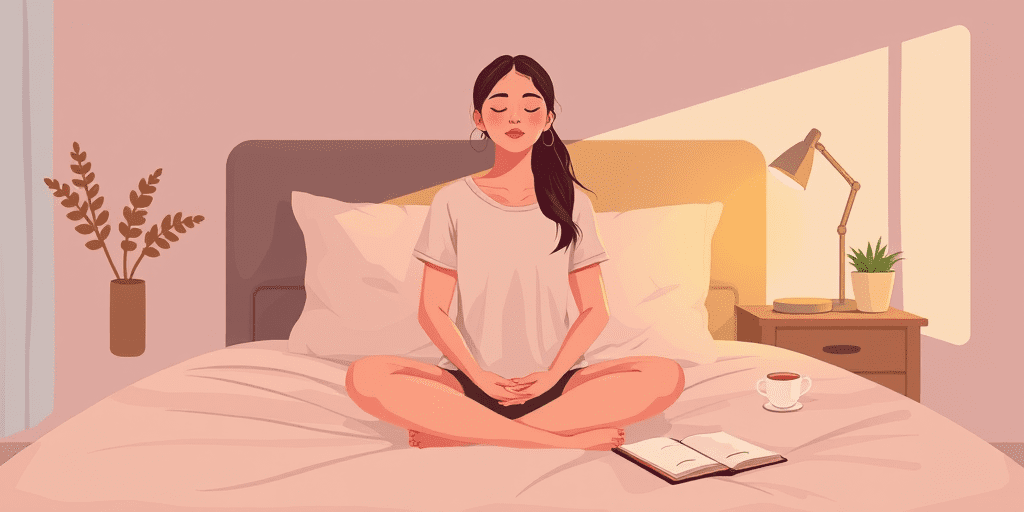
Your brain needs a transition from “go” mode to “sleep” mode. A consistent wind-down routine — starting 30 to 60 minutes before bed — signals to your nervous system that it is time to shift gears.
This might look like: dimming the lights, putting the phone in another room, doing some gentle stretching or deep breathing, making a cup of chamomile tea, reading something light and enjoyable, or simply sitting quietly. The specific activities matter less than the consistency. When you do the same things in the same order each night, your brain begins to learn the pattern and starts preparing for sleep before you even get into bed.
3. Protect Your Sleep Schedule
One of the most powerful things you can do for your sleep is to wake up at the same time every day — yes, including weekends. This anchors your circadian rhythm and makes it significantly easier to fall asleep at your target bedtime.
It feels counterintuitive when you are tired. But sleeping in on the weekend to “catch up” actually disrupts your rhythm further, making the following week harder. Consistency is the medicine here.
4. Tackle the Anxiety Loop
If racing thoughts are your main barrier to sleep, the anxiety needs attention on its own terms — not just at bedtime.
Daytime practices that calm the nervous system make a significant difference at night. This includes regular movement (even a 20-minute walk helps), mindfulness or meditation, journaling to offload mental chatter, and learning to actually process emotions rather than push them down.
Simple grounding techniques for work anxiety that calm the nervous system before bed are particularly helpful if a racing mind is your biggest barrier to sleep.
5. Redesign Your Sleep Environment
Your bedroom should be cool (around 65-68°F / 18-20°C is ideal for most people), dark, and quiet. Even small amounts of light can disrupt melatonin production. If street noise is a problem, a white noise machine or fan can help. Reserve your bed for sleep and intimacy only — not working, scrolling, eating, or watching TV.
6. Look at What You Are Eating and Drinking
Cut off caffeine by early afternoon. Avoid alcohol within three to four hours of bedtime — it fragments sleep architecture significantly. Avoid large, heavy meals close to bedtime. If you do want a snack, something small and carbohydrate-based (like a banana or a small piece of toast) can support serotonin production.
7. Try Progressive Muscle Relaxation or the 4-7-8 Breath
Progressive muscle relaxation involves systematically tensing and releasing muscle groups throughout your body, which produces a deep physical release of tension. Many people find it remarkably effective at quieting a wired nervous system.
The 4-7-8 breathing technique is similarly simple: inhale for 4 counts, hold for 7, exhale for 8. This activates the parasympathetic nervous system — the “rest and digest” mode — fairly quickly.
8. Get Out of Bed If You Cannot Sleep
This feels counterintuitive, but it is important: if you have been lying awake for more than 20 to 30 minutes, get up. Do something calm and non-stimulating in dim light — read a physical book, do some light stretching, write in a journal. Return to bed only when you feel genuinely sleepy.
The goal is to break the association between lying in bed and being awake and frustrated. You are retraining your brain.
9. Address What Is Really Going On
Sometimes insomnia is a messenger. Persistent sleeplessness is often your mind and body’s way of signaling that something in your life needs attention — a stress level that has crept too high, a grief that has not been processed, a relationship that is draining you, a purpose that has gone quiet.
If stress and burnout are part of the picture, the piece on Why Rest Doesn’t Always Feel Restful might help you understand the deeper dynamic at play.
10. Know When to Seek Professional Help
If you have been struggling with insomnia for months and self-help strategies are not moving the needle, please speak with a doctor or a sleep specialist. There may be an underlying condition (physical or mental) that needs professional attention. This is not a failure — it is wisdom.
A Note on Sleep Medications
Sleep medications can be useful in the short term — particularly during acute, situational insomnia. But they are not a long-term solution. Most sleeping pills work by sedating the nervous system rather than producing natural sleep, and many carry risks of dependency, tolerance, and cognitive side effects with prolonged use.
Always discuss sleep medication with a healthcare provider rather than self-medicating, and treat it as a bridge rather than a destination.
What Helps in the Moment When You Cannot Sleep
When you are lying awake right now and nothing is working, here are a few things to try:
- Stop watching the clock. Turn it away from you. Checking the time increases sleep anxiety dramatically.
- Try the cognitive shuffle. Invented by Dr. Luc Beaulieu, this involves imagining random, unrelated images in sequence — a shoe, a pineapple, a dog in a hat — to disrupt the logical, narrative thinking that keeps you awake.
- Write it down. If your mind is full of to-do items or worries, keep a notepad by the bed. Write it all down and give yourself permission to let it go until morning.
- Use a body scan meditation. Move your attention slowly from your toes to the crown of your head, noticing each area without judgment. This redirects the brain away from anxious thought patterns.
- Lower the stakes. Remind yourself gently: lying here resting, even without sleeping, is still giving my body something. Anxiety about not sleeping often makes it much harder to sleep. Releasing the pressure can paradoxically help.
The Mind-Body Connection in Sleep
Sleep is not purely a physical event, and it is not purely a mental one. It sits right at the intersection of both — which is exactly why it belongs in the Body & Mind conversation.
Your body’s ability to sleep well is deeply tied to your emotional state, your sense of safety, your stress load, and the quality of your inner life. And your mental health is profoundly shaped by whether your body is getting the rest it needs.
This is why the best approach to insomnia is not just behavioral changes — it is also taking honest care of your emotional world. When your nervous system feels safe, sleep tends to follow.
You Deserve Rest — More Than You Realize
Sleep is not laziness. It is not a reward you earn after being productive enough. It is a non-negotiable act of self-care, as important as anything else you do for your health and wellbeing.
If insomnia has become a fixture in your life, I want you to know something: it can get better. Not perfectly, not overnight, but with patience, the right strategies, and perhaps a little help — it genuinely can get better.
Start with one thing from this article tonight. Not all of it. One thing. A consistent wake-up time. A wind-down routine. Writing your worries down before bed. One small shift is how lasting change begins.
You have carried the exhaustion long enough. Rest is waiting for you.
Frequently Asked Questions About Insomnia Remedies
1. What is the most common cause of insomnia? Stress and anxiety are the most common causes of insomnia. When the nervous system stays activated, falling asleep becomes physiologically difficult. The good news: stress-related insomnia responds well to both behavioral insomnia remedies like CBT-I and daily nervous system regulation practices.
2. How many hours of sleep do adults actually need? Most adults need between 7 and 9 hours of sleep per night for optimal functioning. The exact amount varies by individual — some people feel their best at 7.5 hours while others genuinely need 9. The key indicator is how you feel during the day: if you are alert, focused, and emotionally stable without needing caffeine, you are likely getting enough.
3. Is insomnia a mental health disorder? Insomnia can be both a symptom of and a contributor to mental health conditions. It frequently co-occurs with anxiety, depression, PTSD, and bipolar disorder. However, it can also occur independently without an underlying mental health condition. When insomnia persists for three months or more and significantly impairs daily functioning, it meets the criteria for insomnia disorder.
4. Can insomnia go away on its own? Acute (short-term) insomnia often resolves on its own once the triggering stressor passes. Chronic insomnia is less likely to resolve without intentional intervention. The good news is that evidence-based approaches — particularly CBT-I — have high success rates, and most people see meaningful improvement within several weeks.
5. What foods help with insomnia? Foods that support sleep include those rich in tryptophan (turkey, eggs, nuts, seeds), magnesium (leafy greens, almonds, pumpkin seeds), and complex carbohydrates (oats, whole grains). Tart cherry juice has shown some evidence in supporting melatonin production. Avoiding caffeine, alcohol, and heavy meals in the hours before bed is at least as important as what you add.
6. Does exercise help insomnia? Yes — regular physical activity is one of the most effective and natural insomnia remedies available. It reduces cortisol, stabilizes the circadian rhythm, and promotes the physical tiredness that makes sleep come more naturally. Morning or early afternoon exercise tends to produce the best results for sleep quality.
7. What is sleep hygiene and why does it matter for insomnia? Sleep hygiene refers to the collection of habits, behaviors, and environmental factors that influence sleep quality. It includes things like consistent sleep and wake times, limiting screen exposure before bed, keeping the bedroom dark and cool, and avoiding stimulants in the hours before sleep. Poor sleep hygiene is one of the most common and correctable contributors to insomnia.
8. Can stress cause long-term insomnia? Yes. While stress-related insomnia often starts as an acute response to a specific event, it can become chronic if the stress is ongoing — or if the initial sleep disruption triggers a cycle of anxiety about sleep itself. This “hyperarousal” pattern, where the anticipation of another bad night keeps the nervous system activated, is how many people develop chronic insomnia even after the original stressor resolves.
9. Is it safe to take melatonin every night for insomnia? Melatonin is generally considered safe for short-term use and is most effective for sleep issues related to circadian disruption (such as jet lag or shift work) rather than classic insomnia. It is not a sedative — it is a hormone that signals timing. Long-term nightly use is not well-studied in adults, and it is best discussed with a healthcare provider rather than assumed to be harmless with ongoing use.
10. When should I see a doctor about insomnia? You should speak with a doctor if your sleep problems have persisted for more than three months, if they are significantly affecting your daily functioning, if you suspect an underlying physical condition (like sleep apnea or pain), if you are relying on alcohol or over-the-counter medications to sleep, or if insomnia is accompanied by mood changes, depression, or significant anxiety. A doctor can rule out physical causes and refer you to a sleep specialist or therapist trained in CBT-I.
Closing Thought
Sleep is where your body repairs itself, where your mind processes the day’s weight, and where your spirit quietly renews. When insomnia steals it from you night after night, it does not just leave you tired — it leaves you feeling less like yourself.
But here is what I want you to hold onto: the fact that you are here, reading this, looking for answers — that is not desperation. That is self-advocacy. That is you showing up for yourself.
You are allowed to prioritize your rest. You are allowed to take this seriously. You are allowed to ask for help.
Healing rarely happens in one night. But every gentle, intentional step you take toward better sleep is a step toward a calmer mind, a stronger body, and a life that feels more like yours again.
Rest is not the end of your day. It is the beginning of everything.
If this article helped you, you might also find value in reading about why rest doesn’t always feel restful or exploring how anxiety and sleep disorders intersect. And if you found something here that resonated, consider sharing it with someone who might need it tonight.
Disclaimer
The content on Mindbloom is written from lived personal experience and for general informational and wellness purposes only. It is not a substitute for professional medical or mental health advice, diagnosis, or treatment. If you are experiencing chronic insomnia or related health concerns, please consult a qualified healthcare professional. In a mental health crisis, please reach out to a helpline or emergency services in your area.