
The Effects of Suppressed Emotions on the Body — and What You Can Do About It
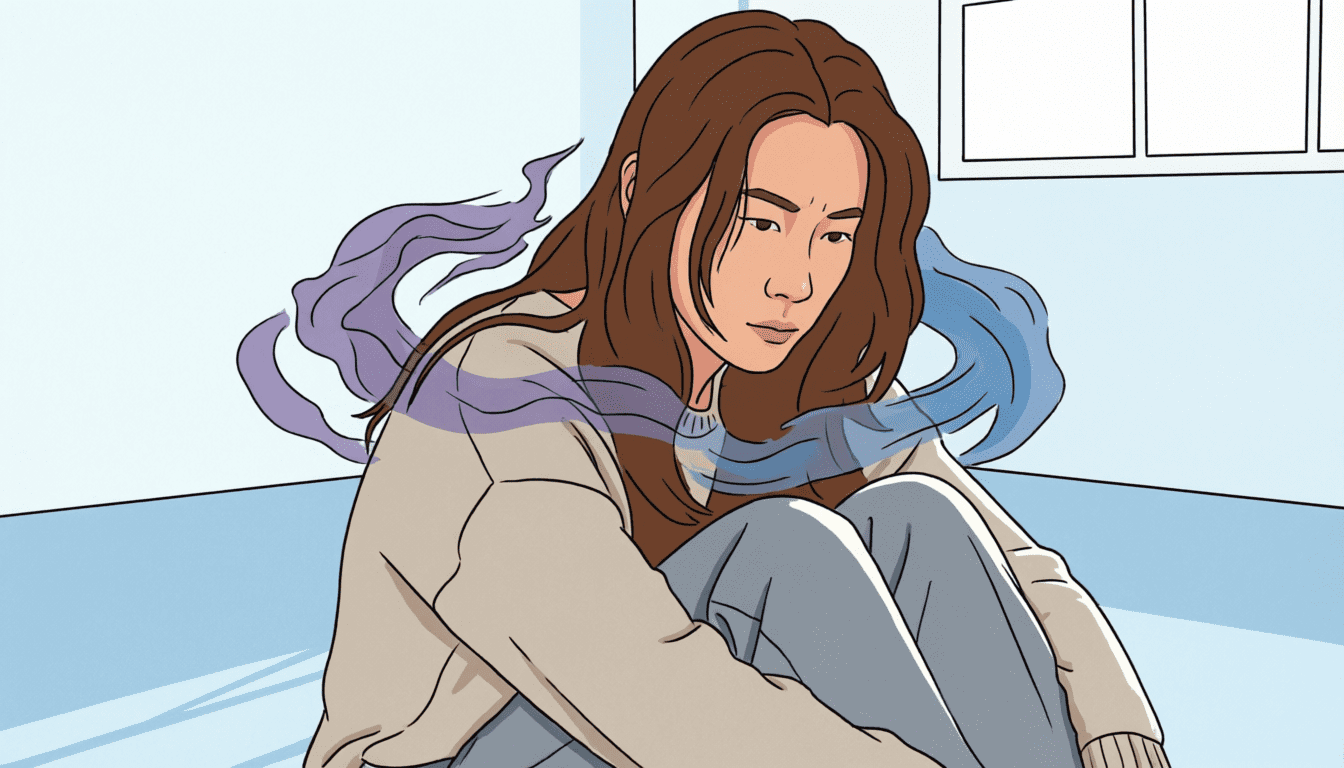
Have you ever told yourself “I’m fine” when you were anything but? The effects of suppressed emotions on the body are very real, surprisingly physical, and far more serious than most of us were ever taught — and if you have ever swallowed your anger in a meeting, forced a smile at a family gathering, or quietly cried in the shower so no one would know you were struggling, you already understand the exhausting art of emotional suppression.
Your emotions do not disappear just because you refuse to feel them. They go somewhere. And that somewhere is often your body.
In this article, we are going to talk honestly about what happens when you consistently push your feelings down, why your body reacts the way it does, and what you can start doing today to finally let some of it out. Because you deserve to stop carrying all of this alone.
Table of Contents
What Does It Mean to Suppress Your Emotions?
Before we go deeper, let us get clear on what emotional suppression actually is.
Suppressing emotions means consciously or unconsciously pushing feelings aside, denying them, or avoiding experiencing them fully. It is different from simply calming yourself down or choosing to address something later. Suppression is more like deciding the feeling does not get to exist at all.
You might suppress emotions by:
- Staying constantly busy so you never have to sit with your feelings
- Telling yourself that feeling sad or angry makes you weak
- Changing the subject whenever conversations get too personal or emotional
- Using alcohol, food, work, or scrolling to numb what you feel
- Laughing off things that genuinely hurt you
The problem? According to research from Harvard Medical School, emotional suppression does not eliminate the emotion. It keeps it alive in the body, running in the background like an app you forgot to close, draining your energy and quietly wearing down your system.
Why We Learn to Suppress in the First Place
Nobody is born suppressing their feelings. Babies cry freely. Toddlers throw themselves on the floor in full emotional meltdown without a second thought. Somewhere along the way, we get taught that certain emotions are not acceptable.
Maybe you grew up in a household where crying was met with “stop being so dramatic.” Maybe you learned that anger was dangerous and unpredictable, so you shut yours down completely. Maybe the world rewarded you for being calm, composed, and always okay, so you became very good at looking fine on the outside while falling apart on the inside.
Cultural messages play a role too. Men are often told that showing vulnerability is a sign of weakness. Women are told that being too emotional makes them irrational. In some cultures and workplaces, any display of feeling beyond mild contentment is quietly penalized.
The result? Millions of people walking around holding years of unexpressed grief, rage, fear, and sadness in their bodies, wondering why they feel so exhausted, sick, and disconnected.
The Physical Effects of Suppressed Emotions on Your Body
This is the part that genuinely surprises most people. The effects of suppressed emotions on the body are not just metaphorical. They are measurable, documentable, and sometimes serious. Doctors refer to these as somatic symptoms of emotional repression — physical complaints that originate in unprocessed psychological experience rather than structural or biological causes.
Chronic Tension and Muscle Pain
Think about the last time you were in a tense, uncomfortable situation. Did your shoulders rise? Did your jaw tighten? Did your stomach clench?
Now imagine feeling that way every day, with no release. That tension does not just fade. It gets stored in the muscles, particularly in the neck, shoulders, jaw, and lower back. The relationship between chronic pain and emotions is well established. Many people who come to therapy or bodywork sessions for persistent physical pain discover that the root cause is unprocessed emotional experience, not structural damage.
A study published in the journal NeuroImage found that emotional suppression was associated with increased physiological arousal, meaning the body stays in a heightened state of tension even when you believe you are “over it.”
Headaches and Migraines
Sara had been getting migraines every two weeks for three years. She had tried everything: new pillows, cutting out caffeine, tracking her cycle. Nothing helped. It was only when she started working with a therapist and began processing years of unexpressed grief after her mother’s death that the migraines began to decrease. Her story is not unique.
Emotional stress, especially the kind that is suppressed and never released, is one of the most common triggers for both tension headaches and migraines. The constant activation of the stress response keeps the nervous system on alert, and the head often pays the price.
Digestive Problems
There is a reason we talk about gut feelings. The gut is often called the “second brain” because it contains its own extensive nervous system and communicates constantly with the brain. When emotions are suppressed, the gut feels it.
Unexpressed stress and anxiety can cause or worsen irritable bowel syndrome (IBS), acid reflux, nausea, bloating, constipation, and diarrhea. If you have ever noticed your stomach acting up before a difficult conversation or a stressful event, you have experienced this connection firsthand. For many people with chronic digestive issues, emotional regulation is an important and overlooked piece of healing.
A Weakened Immune System
Marcus used to wonder why he seemed to catch every cold going around the office, while his equally stressed colleagues stayed perfectly healthy. He was eating well and sleeping okay. What he did not realize was that he had been holding deep resentment toward his father for years, never addressed, never expressed. That emotional burden was silently taxing his immune system.
The American Psychological Association has published extensively on the link between chronic stress, emotional suppression, and immune function. When the stress response stays chronically activated because emotions are never fully processed, the immune system becomes compromised over time. The result? You get sick more often, heal more slowly, and feel run-down without any obvious reason.
Heart Problems and High Blood Pressure
Research published in the Journal of the American Heart Association has found associations between emotional suppression, particularly suppressing anger, and increased risk of high blood pressure and cardiovascular disease. The link is not just correlation. When you regularly suppress intense emotions like anger or grief, you keep your nervous system in a low-grade state of fight-or-flight. Over time, that physiological arousal puts strain on the heart and blood vessels.
Fatigue and Sleep Disruption
If you have ever gone to bed exhausted but found yourself lying awake with racing thoughts, you know this one personally. Suppressed emotions are one of the most common causes of both chronic fatigue and disrupted sleep. The mind that never fully processes its feelings keeps working on them at night, making real rest difficult. The body that has been in tension all day never quite gets to release.
You can learn more about this on Mindbloom in our article on sleep disorders and anxiety and in our deep dive on why rest does not always feel restful.
Skin Conditions
The skin and the brain are connected in ways that surprise most people. Conditions like eczema, psoriasis, acne, and hives can all be triggered or worsened by emotional stress and suppression. The same stress hormones that affect the gut and the heart also affect skin inflammation and barrier function. Many dermatologists and integrative health practitioners now consider emotional wellbeing a core part of skin health management.
Real-Life Scenarios You Might Recognize
Sometimes seeing yourself in a story is more powerful than reading a list of symptoms. Here are a few scenarios that might sound familiar.
Keisha, 34: Keisha has always been the “strong one” in her family. After her divorce, everyone marveled at how well she handled it. Inside, she was devastated but kept telling herself she did not have time to fall apart. Six months later, she was dealing with chronic back pain, constant fatigue, and a string of infections that would not clear up. Her doctor found nothing physically wrong. Keisha had never given herself permission to grieve.
James, 27: James grew up in a household where anger was associated with violence and chaos. So he learned to swallow his. By his late twenties, he was dealing with daily tension headaches, clenching his jaw in his sleep, and feeling a low-level rage he could not explain. He had never learned that anger, expressed safely and honestly, is a healthy emotion. He had only learned to bury it.
Priya, 42: Priya had spent years in a high-pressure corporate job, priding herself on never crying at work, never showing stress, always being professional. She was excellent at her job and terrible at feeling. At 42, she found herself in her doctor’s office with blood pressure numbers that alarmed her physician, a body that felt perpetually exhausted, and a sense of emotional numbness that had quietly taken over her life.
These are not extreme cases. These are Tuesday. And if any of them sounded familiar, the next section explains exactly why your body responds this way.
The Mind-Body Connection: Why Your Body Is Smarter Than You Think
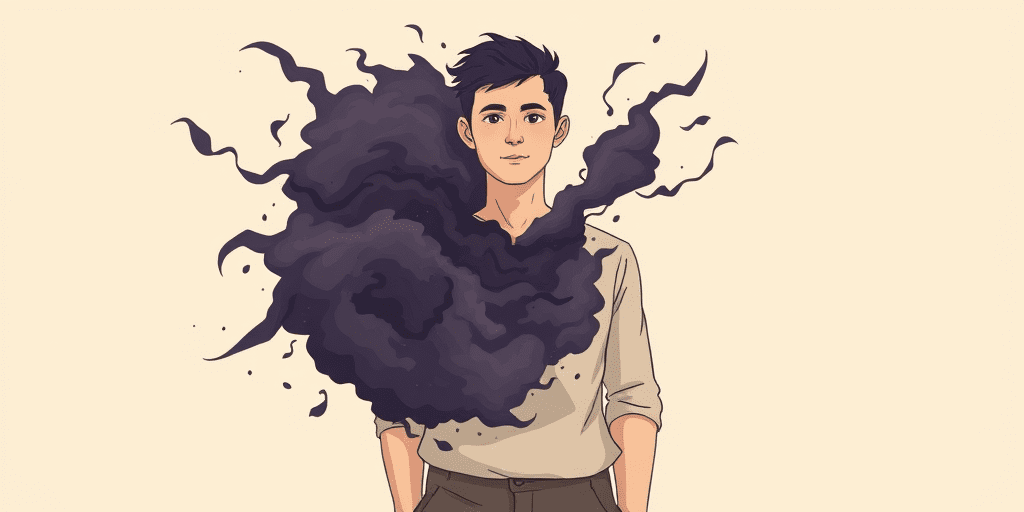
Understanding why emotions get stored in the body helps make sense of all of this. The nervous system does not distinguish between a physical threat and an emotional one. When you feel a powerful emotion like fear, grief, or rage, your body activates its stress response. Hormones like cortisol and adrenaline are released. Heart rate increases. Muscles tense. The digestive system slows down.
This response is designed to be temporary. The problem is that when we suppress the emotion rather than processing it, we interrupt the natural cycle of activation and release. Instead of moving through you, emotions stored in the body keep the system primed, tense, and activated. Over days, weeks, months, and years, that chronic activation takes a real physical toll.
This concept has been documented extensively by trauma expert Dr. Bessel van der Kolk in his widely-read work The Body Keeps the Score, in which his research demonstrates that traumatic and suppressed emotions literally reshape the body’s stress response systems over time. Emotions stored in the body do not simply fade, they restructure. The body, in other words, keeps the score.
How Suppressed Emotions Affect Your Mental Health Too
It is not only the body that suffers. The effects of suppressed emotions on your mental health are equally significant.
Long-term emotional suppression is strongly associated with:
- Depression: When feelings are chronically pushed down, emotional flatness and hopelessness often take their place. Many people with depression describe feeling nothing, which can itself be a symptom of years of suppression.
- Anxiety: The link between emotional suppression and anxiety is well-documented. Suppressed emotions create unresolved internal tension that the mind keeps circling back to, fueling worry, hypervigilance, and a constant sense that something is wrong — even when nothing visible has triggered it.
- Emotional numbness: Over time, suppressing the “bad” emotions tends to dull the good ones too. People who suppress heavily often find they struggle to feel joy, connection, or pleasure.
- Relationship difficulties: When you cannot access or express your emotions, genuine intimacy becomes nearly impossible. You end up feeling disconnected from the people you love most.
If you notice these patterns in yourself, our article on emotional intelligence explores how building your awareness of your own emotions can be transformative.
How to Release Suppressed Emotions: Practical Steps to Start Today
The goal here is not to become someone who weeps publicly at every inconvenience. It is to develop a healthier relationship with your inner life so that emotions can move through you rather than getting stuck in you.
Here are practical, actionable steps you can start with today.
1. Name What You Are Feeling
This sounds almost too simple, but it is genuinely powerful. Psychologists call it “affect labeling,” and research shows that the simple act of putting a name to an emotion reduces its intensity and helps the brain process it more effectively. When something stirs up inside you, pause and ask: what is this? Sadness? Fear? Shame? Frustration? Getting specific matters. “Upset” is vague. “I feel afraid that I am going to fail” is real and workable.
2. Create a Daily Emotional Check-In
Once a day, ideally in the morning or evening, ask yourself three simple questions: What am I feeling right now? Where am I feeling it in my body? What does it need? You do not have to have all the answers. The practice of asking is itself healing.
3. Try Journaling Without a Filter
Give yourself ten minutes to write without stopping, editing, or judging. Write what you actually feel, not what you think you should feel. Many people are surprised by what emerges when they give their inner world a space to speak without fear of judgment.
4. Move Your Body
Emotion is energy. Physical movement is one of the most effective ways to release stored emotional tension. This does not have to mean a gym session. A brisk walk, a dance in your kitchen, shaking your hands and arms vigorously, or even a long cry in the car all count. The goal is physiological release.
5. Practice Saying the Thing You Normally Swallow
Start small. The next time someone asks how you are, try giving a more honest answer than “fine.” Tell a trusted friend about something that is bothering you. Write a letter you never send. Practice letting the feeling exist outside of your body, even in small doses.
6. Consider Working With a Therapist
If you have been suppressing emotions for a long time, particularly around significant experiences like loss, trauma, or difficult relationships, working with a therapist can be genuinely life-changing. There are many approaches that specifically address the body-emotion connection. You can read more about your options in our guide to different types of therapy.
7. Be Gentle With Yourself About the Process
Learning to feel again, after years of shutting feelings down, is not a weekend project. It is a practice. Some days it will feel raw. Some days you will slip back into old patterns. That is not failure. That is being human.

What Healing Actually Looks Like
Healing from years of emotional suppression does not mean you will one day reach a state of constant emotional openness and freedom. It means you gradually become less afraid of your own inner life.
It means the anger does not have to live in your shoulders anymore. It means you can sit with sadness without immediately reaching for your phone. It means your stomach does not clench every time something feels uncomfortable.
It means you start sleeping a little better. Your headaches ease up. You feel more present in your relationships. You feel more like yourself.
That is the body saying thank you.
If you are also navigating the tension between pushing yourself forward and learning to rest, our piece on stepping outside your comfort zone explores how growth and gentleness can coexist.
A Note on Getting Support
If you recognize yourself in this article and feel like the weight of what you have been carrying is significant, please consider reaching out for professional support. What you are feeling matters. What you have been holding deserves to be witnessed.
You can also explore when to see a therapist if you are unsure whether it is the right time for you.
According to the National Institute of Mental Health, mental health conditions are among the most common health challenges in the United States, and yet most people wait years before seeking help. You do not have to wait until you are breaking down. You are allowed to reach for support now, while you are still standing.
You Are Not Too Much. You Have Just Been Holding Too Much.
There is a version of you that does not wake up exhausted. That does not have a permanent ache in your neck. That does not flinch every time someone asks how you really are.
That version of you is not some impossible ideal. It is simply you, with a little more space inside. Space that gets created when you stop pushing everything down and start letting things move through you instead.
The effects of suppressed emotions on the body are real, but so is your capacity to heal. You do not have to carry this the way you have been.
You are allowed to feel. You are allowed to release. And you are absolutely allowed to ask for help doing it.
You have been strong long enough. Now it is time to be free.
Frequently Asked Questions: Effects of Suppressed Emotions on the Body
1. What are the most common effects of suppressed emotions on the body? The most commonly reported physical effects include chronic muscle tension, unexplained headaches or migraines, digestive issues like IBS and acid reflux, fatigue, weakened immunity, disrupted sleep, high blood pressure, and skin conditions. These symptoms often have no clear medical cause and improve significantly when emotional processing is addressed.
2. Can suppressing emotions cause physical illness? Yes. Research consistently links long-term emotional suppression with increased inflammation, weakened immune function, cardiovascular strain, and a range of psychosomatic conditions. While suppression alone rarely causes a single illness, it creates the physiological conditions that make illness more likely over time.
3. Is emotional suppression the same as emotional regulation? No, they are very different, and the distinction matters. Emotional regulation means acknowledging a feeling and choosing how to respond to it constructively, you recognize the anger, you decide not to lash out, but the anger itself is felt and processed. Emotional suppression means pushing the feeling down before it can be acknowledged or experienced at all. Regulation is healthy and adaptive. Suppression is avoidance. You can become skilled at regulating emotions without ever suppressing them, in fact, that is the goal.
4. Why do I feel numb instead of sad or angry? Emotional numbness is often the result of long-term suppression. When the brain learns that certain feelings are unsafe to experience, it can start to shut down emotional processing more broadly. Over time, this can dull both painful feelings and positive ones. Numbness is not the absence of emotion. It is emotion that has nowhere to go.
5. How do I know if my physical symptoms are related to suppressed emotions? Some signs include: your doctor has ruled out physical causes for your symptoms, symptoms tend to flare during stressful or emotionally charged situations, you have a long history of avoiding difficult feelings, and the symptoms improve during periods of rest, vacation, or emotional openness. A therapist or integrative health practitioner can help you explore this connection.
6. Can suppressed anger really cause high blood pressure? Studies have found a meaningful association between habitual anger suppression and elevated blood pressure. When the body consistently activates its stress response without release, the cardiovascular system bears a sustained load that can raise baseline blood pressure over time.
7. How long does it take to heal from years of emotional suppression? There is no single answer, but most people who engage consistently with therapy, emotional processing practices, and bodywork notice meaningful shifts within months rather than years. Healing is not linear, and some layers take longer than others. The most important factor is consistent engagement with the process.
8. Can children suppress emotions in ways that affect them as adults? Absolutely. Many adult patterns of emotional suppression are rooted in childhood experiences where expressing feelings was unsafe, dismissed, or punished. Understanding your childhood emotional environment is often one of the most illuminating parts of healing work in adulthood.
9. Are there specific types of therapy that help with suppressed emotions? Yes. Somatic therapy, EMDR, internal family systems (IFS), emotion-focused therapy, and psychodynamic therapy are all particularly well-suited to working with suppressed emotions. Even standard cognitive behavioral therapy (CBT) can be adapted to address emotional avoidance. A good therapist will match the approach to your specific needs.
10. Can I heal from emotional suppression on my own without therapy? Some people make significant progress through journaling, mindfulness, physical movement, reading, and building emotional awareness. However, if the suppression is deeply rooted in trauma, attachment wounds, or significant loss, professional support tends to produce deeper and more lasting results. There is no shame in needing more than self-help. That is what therapists are for.
Disclaimer
The content on Mindbloom is written from personal lived experience and is intended for general informational and supportive purposes only. It is not a substitute for professional mental health advice, diagnosis, or treatment. Always seek the guidance of a qualified mental health professional or physician with any questions you may have regarding your mental or physical health. If you are in crisis or believe you may be experiencing a mental health emergency, please contact a qualified helpline or emergency services immediately.