
The Science-Backed Benefits of Napping — And How to Do It Right
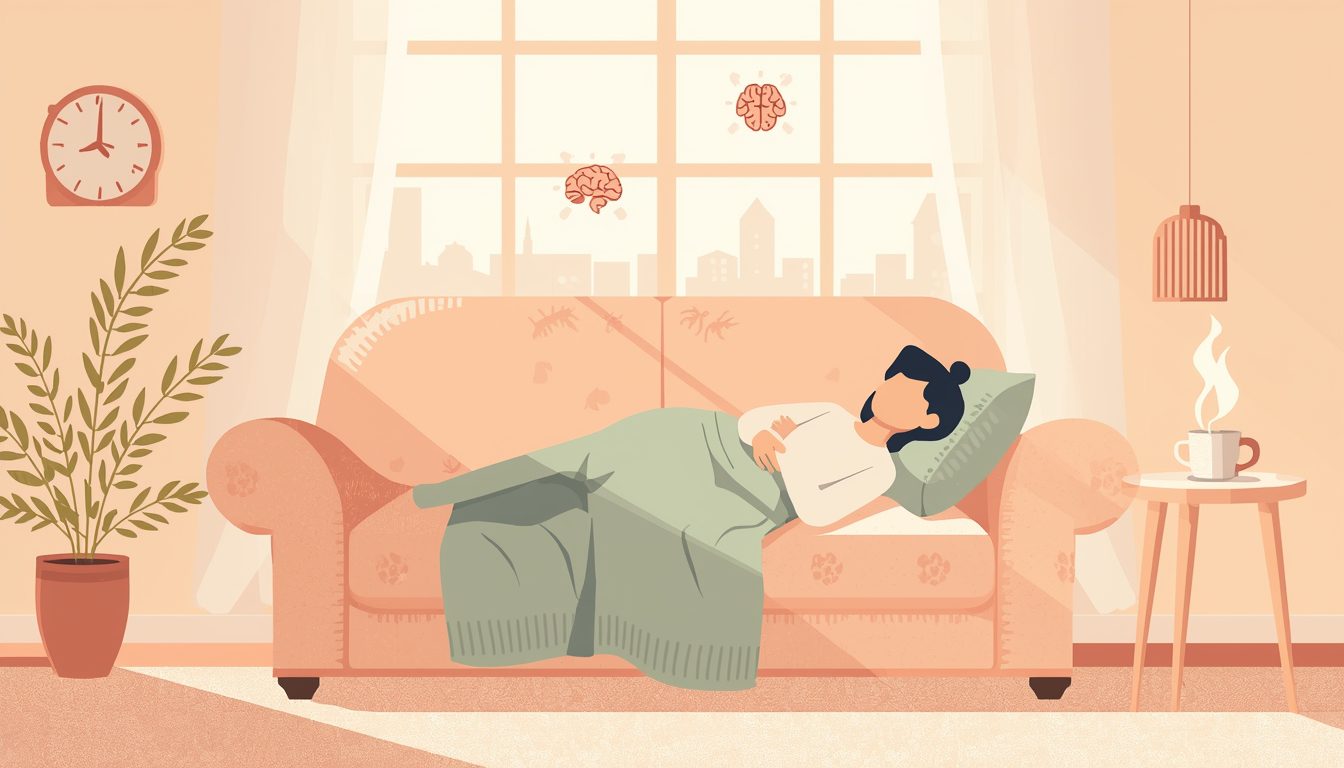
The benefits of napping are more powerful than most people realize — and more backed by science than your boss might admit.
There is a moment in the afternoon — usually somewhere between 1:00 and 3:00 PM — when your eyelids grow heavy, your focus starts to blur, and everything on your to-do list feels suddenly impossible. You reach for another coffee. You scroll your phone. You push through, quietly guilty for even wanting to close your eyes.
But that afternoon slump is not a character flaw. It is biology. And learning to work with it — instead of grinding against it — might be one of the simplest, most underrated habits you ever build.
This article is for anyone who has ever stared at the ceiling at 2 PM wondering if they are allowed to rest. You are. And the science says you probably should.
Table of Contents
Why Do We Even Feel Tired in the Afternoon?
Before we dive into the benefits of napping, it helps to understand why that post-lunch crash happens at all.
Your body runs on a biological clock called the circadian rhythm. It controls your sleep and wake cycles, your body temperature, your hormone levels, and dozens of other functions you never have to think about. Around the early afternoon — typically between 1 PM and 3 PM — this rhythm dips naturally, causing a drop in alertness and energy.
This is not caused by a heavy lunch (though that does not help). It happens whether you eat or not. It is simply your biology doing what it was designed to do.
Many cultures around the world have built rest into the middle of the day for centuries. The Spanish siesta, the Mediterranean afternoon break, the South Asian tradition of a post-lunch rest — these are not indulgences. They are intuitive responses to a very real physiological rhythm that modern Western culture has largely learned to ignore.
The result? A lot of exhausted, overcaffeinated people pushing through the afternoon on willpower alone.
What Actually Happens to Your Brain and Body When You Nap
Let us talk about what happens when you actually let yourself rest. The research on napping is genuinely exciting.
Better Focus and Mental Alertness
A short nap does not just make you feel a little less tired. It actively improves your cognitive performance. Studies have found that a 10 to 20-minute nap can restore alertness to levels comparable to a full night’s extra sleep — at least in the hours immediately following.
The numbers are hard to ignore. A NASA study found that pilots who napped for 40 minutes improved their performance by 34% and their alertness by 100%. If a nap is good enough for someone flying a commercial aircraft, it is almost certainly good enough for your afternoon inbox.
Improved Mood and Emotional Regulation
When you are tired, everything feels harder. You are more irritable, more reactive, more easily overwhelmed. A nap can genuinely shift that.
Research published in the Journal of Sleep Research has shown that napping reduces feelings of impulsivity and frustration. It gives your emotional brain a chance to reset, so that the little things — a passive-aggressive email, a slow driver, a messy kitchen — do not tip you over the edge.
If you have noticed that your patience runs thinner in the late afternoon, fatigue is almost certainly a factor. And a nap is one of the quickest ways to restore your emotional equilibrium.
Enhanced Memory and Learning
Here is something remarkable: napping does not just rest your brain. It actively helps consolidate memories and reinforce learning. When you sleep, your brain shifts short-term memories into long-term storage. This happens during nighttime sleep — but research shows it also happens during naps.
A study from Harvard Medical School found that participants who napped after learning a task performed significantly better on it later than those who stayed awake all day. If you are studying, learning a new skill, or doing creative work, a nap might be one of the most productive things you can do.
Reduced Stress and Lower Blood Pressure
Rest is not just emotional. It is physical. When you are chronically sleep-deprived or running on too little rest, your body stays in a low-level stress state, with cortisol levels higher than they should be.
Research has found that napping can actually help lower blood pressure after a stressful event. One study published in the American College of Cardiology found that people who napped for an average of 49 minutes had meaningfully lower blood pressure compared to those who did not nap. That is a cardiovascular benefit from lying down in the middle of the day. It is hard to argue with that.
Boosted Creativity and Problem-Solving
If you have ever fallen asleep on a problem and woken up with the answer, this will not surprise you. Napping — particularly naps that include dream-like states — has been linked to increased creative thinking and lateral problem-solving.
Your brain makes unexpected connections during sleep that it simply cannot make when it is grinding away in a fully conscious, task-focused state. A nap gives it room to roam.
Sound Familiar? Real Situations Where a Nap Would Have Changed Everything
Here are a few situations that might feel familiar:
The 3 PM work spiral. You have been sitting at your desk since 8 AM. Your inbox is not getting smaller. You re-read the same paragraph four times. You make a small mistake that costs you twenty minutes to fix. You feel irritable and start second-guessing everything. Sound familiar? That is your brain asking for a break — not more caffeine.
The parent who snaps. It is late afternoon. The kids are home from school, dinner is not made, and someone asks you a perfectly reasonable question that suddenly feels unbearable. You raise your voice. You feel terrible immediately after. Exhaustion made you that person. Rest could have prevented it.
The student who studies for four hours but retains nothing. She sits at the library, highlighter in hand, reading chapter after chapter — but by hour three, nothing is sticking. She feels like she is bad at studying. She is not. She is tired. A 20-minute nap between study blocks would have made the whole session more productive.
The creative professional hitting a wall. He is a writer. He has been staring at a blank page for two hours. He checks Twitter. He makes coffee. He reorganizes his desk. He is not blocked. He is exhausted. A nap often breaks the creative wall in a way that no amount of forcing ever can.
The remote worker who pushes through lunch. She works from home, so there is no colleague to notice that she is flagging. She eats at her desk and keeps going. By 4 PM, her work is slow, sloppy, and joyless. A 20-minute rest after lunch would have made her final two hours far more productive than the three she dragged herself through.
Not All Naps Are Equal: Understanding Nap Types
One of the reasons people avoid napping is that they have done it wrong — they woke up feeling worse than before, groggy and disoriented. This is called sleep inertia, and it happens when you nap too long and accidentally slip into deep sleep.
The key is knowing what kind of nap you actually need.
The Power Nap (10–20 Minutes)
This is the gold standard for most people on a regular workday. It is short enough that you stay in the lighter stages of sleep, which means you wake up refreshed rather than groggy. It improves alertness, mood, and focus without significantly interfering with nighttime sleep.
Set an alarm. Lie down (or even just recline). Close your eyes. Ten to twenty minutes is all you need.
The Full Sleep Cycle Nap (90 Minutes)
A 90-minute nap takes you through a complete sleep cycle, including REM sleep. This is where memory consolidation and creative processing happen most actively. You are much less likely to experience sleep inertia at the end of this nap because you complete the cycle rather than getting interrupted mid-way.
This kind of nap works best on weekends, days off, or any time you have the space. It is a genuine mini-sleep session, not just a quick recharge.
The “Nappuccino” (Coffee Nap)
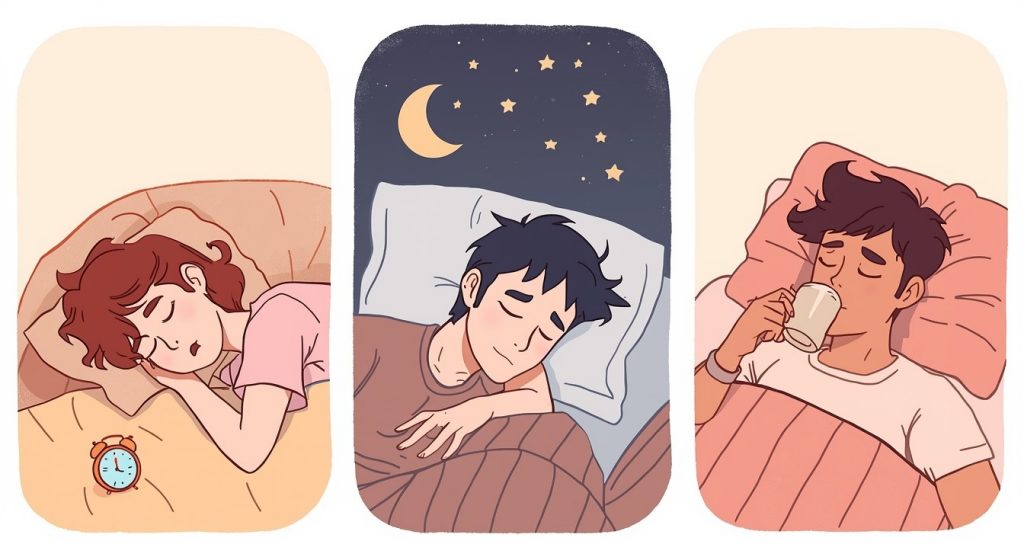
This sounds counterintuitive, but it has real science behind it. You drink a cup of coffee or tea right before your nap. Caffeine takes roughly 20 minutes to kick in, so by the time your brief nap ends, the caffeine is just beginning to work — giving you an extra boost on top of your natural rest. It is quirky, but the research supports it.
Avoid: The 30–60 Minute Nap
This is the danger zone for sleep inertia. Long enough to drag you into deeper sleep, but too short to complete a full cycle. This is the nap that leaves you feeling like you have been hit by a truck. If you fall into this zone often, try setting your alarm for either 20 minutes or 90 minutes instead.
Best Practices for Napping: How to Actually Do It Right
Knowing the benefits of napping is one thing. Knowing how to nap well is another. Here are the practical steps to make rest work for you.
1. Time It Right
The ideal napping window is between 1 PM and 3 PM — aligned with your natural afternoon dip. Napping later than 3 PM can interfere with your ability to fall asleep at night, which defeats the purpose.
2. Keep It Short (Unless You Have the Space for 90 Minutes)
For most people on most days, 10 to 20 minutes is the sweet spot. Set an alarm so you do not have to worry about oversleeping.
3. Create a Comfortable Environment
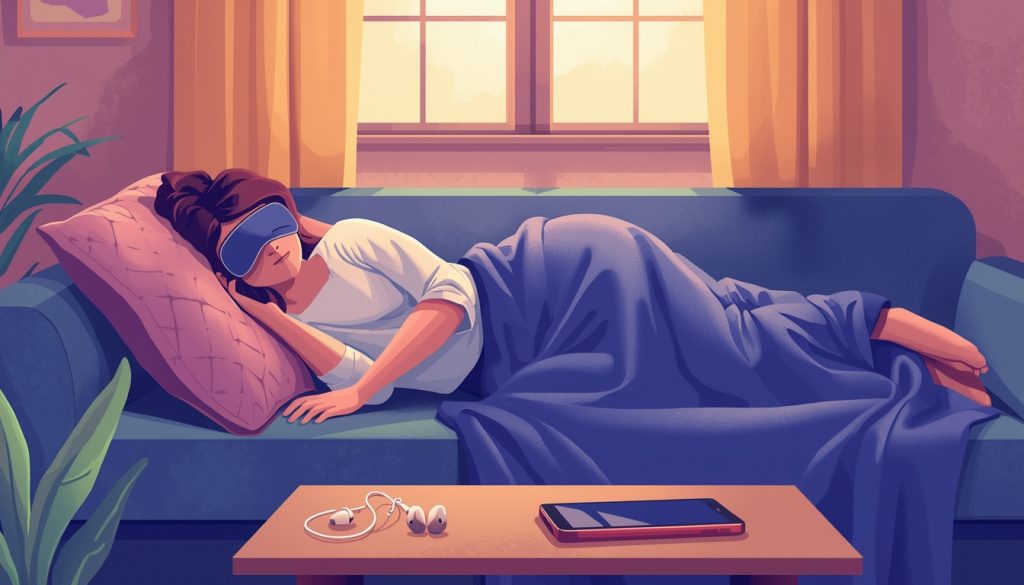
You do not need a bedroom. You need somewhere you can close your eyes without being disturbed. A couch, a car seat, a reclining office chair — all of these work. A blanket helps because your body temperature drops slightly during sleep.
4. Block Out Light and Sound
A sleep mask and earplugs or light background noise (like a fan or white noise) can make a big difference in how quickly you fall asleep, especially if you are in an unfamiliar or slightly noisy environment.
5. Do Not Stress If You Do Not Fall Fully Asleep
Even lying quietly with your eyes closed — without fully falling asleep — provides measurable rest. The goal is a reduction in mental activity, not necessarily unconsciousness. A quiet 20 minutes with your eyes closed still recharges you.
6. Give Yourself a Transition Back
After a nap, especially a longer one, give yourself a few minutes to come back to full alertness before jumping back into demanding tasks. Splash cold water on your face, step outside for a moment, or have a small snack. You will be sharper faster.
7. Be Consistent
Like most wellness habits, napping works best when it is part of a routine rather than a chaotic, desperate response to exhaustion. A short daily rest during your natural energy dip is more restorative than occasional marathon naps on weekends.
Who Should Be Careful About Napping?
Napping is genuinely good for most people — but there are some situations where it is worth being thoughtful.
If you struggle with insomnia, daytime napping can sometimes make it harder to feel sleepy at bedtime. If you notice that your nighttime sleep gets worse on days you nap, it is worth experimenting with skipping the nap and focusing on building strong sleep hygiene habits instead.
If you are waking up exhausted even after a full night’s sleep, the problem might not be solved by napping alone. Chronic exhaustion that persists despite adequate sleep can point to something worth exploring with a doctor.
And if you find that you need a nap every single day just to function — and you are still exhausted — that level of fatigue might be worth paying attention to. It could be a sign of burnout, sleep issues, or something your body is trying to tell you. You can explore more about the difference between everyday fatigue and something deeper in the article on sleep deprivation and depression.
What Happens to Your Body and Mind When You Never Rest?
It is worth spending a moment on this, because a lot of us have been trained to treat rest as a reward rather than a requirement.
Chronic sleep deprivation and insufficient rest accumulate as what scientists call sleep debt. The effects are not just tiredness. They include impaired decision-making, weakened immunity, increased emotional reactivity, difficulty concentrating, slower reaction times, and over time, elevated risk for serious health conditions.
When you push through exhaustion day after day, you are not being productive. You are borrowing against your future self. And rest — including napping — is one of the most direct ways to pay that debt back before it compounds.
Rest is not the opposite of productivity. It is the foundation of it.
Napping Around the World: A Cultural Perspective
It is worth noting that in many countries, the midday rest is simply a part of life. In Spain, the siesta tradition (though less common now than it once was) built rest into the social fabric. In Japan, a concept called inemuri — the practice of sleeping in public places like offices and trains — is not only tolerated but viewed as a sign that a person works hard enough to be genuinely tired. In parts of China, afternoon naps are considered a workers’ right.
In contrast, in many Western cultures — particularly in the United States — napping has historically carried a stigma. It signals laziness. Weakness. A lack of drive.
But that stigma is shifting. Companies like Google, Ben & Jerry’s, and Nike have installed nap pods or rest spaces for employees. The research has become too compelling to ignore. The most progressive workplaces are beginning to understand what our bodies have always known: rest makes us more human, more capable, and more alive.
Your Afternoon Slump Is Not Laziness — It Is a Signal Worth Listening To
If you have spent years treating rest as something you have to earn — something you only get to have when everything else is done — this is your quiet permission slip to reconsider.
The benefits of napping are not just about being less tired. They are about showing up more fully: as a parent, a partner, a professional, a friend, and most importantly, as a person. You cannot pour from an empty cup. And a 20-minute rest in the afternoon costs so little while returning so much.
So the next time that afternoon fog rolls in and your eyes start to get heavy — instead of reaching for your fourth coffee and pushing harder, try closing your eyes for just 20 minutes.
Your mind will thank you. Your mood will shift. And you might just find that the second half of your day looks completely different.
If you found this helpful, you might also want to read about sleep hygiene habits that actually work — because napping is just one piece of a larger picture. And if you have been waking up exhausted despite sleeping enough, this article on waking up tired after a full night’s sleep might be exactly what you need next.
Rest is not giving up. Rest is how you keep going.
Frequently Asked Questions About Napping
1. How long should you nap for the most benefit? For most people, 10 to 20 minutes is ideal for a quick recharge without waking up groggy. If you have more time, a 90-minute nap completes a full sleep cycle and supports deeper memory consolidation. Avoid the 30–60 minute range, which tends to leave people feeling sluggish and disoriented.
2. Is it okay to nap every day? Yes, for most people a daily short nap is not harmful and can be genuinely beneficial. The key is timing — keeping naps to the early afternoon (before 3 PM) so they do not interfere with nighttime sleep. If you find that daily napping worsens your night sleep, you may need to adjust or skip it.
3. Can napping make up for lost sleep at night? A nap can help reduce the immediate effects of sleep deprivation — like impaired focus and mood — but it does not fully replace the lost sleep. Think of it as a partial payment toward a debt, not a complete reset. Consistent good nighttime sleep remains the foundation.
4. Is napping bad for you if you have insomnia? It depends. For some people with insomnia, daytime napping can make it harder to feel sleepy at bedtime, which can perpetuate the cycle. If you struggle with insomnia, it is worth consulting a healthcare provider before making napping a habit. Building strong nighttime sleep hygiene is usually the priority.
5. What is the best time of day to take a nap? Between 1 PM and 3 PM is the sweet spot for most people. This aligns with the natural dip in your circadian rhythm. Napping much later in the day can push back your sleep onset at night.
6. Why do I feel worse after a nap instead of better? This is called sleep inertia, and it typically happens when you nap for 30 to 60 minutes and wake up mid-way through a deep sleep stage. The fix is either shorter naps (10–20 minutes) or longer ones (90 minutes) that allow you to complete a full sleep cycle.
7. Does napping affect nighttime sleep quality? Short naps (under 30 minutes) taken before 3 PM typically do not significantly affect nighttime sleep for most people. Longer or later naps are more likely to interfere. Everyone is different, so it is worth paying attention to how your body responds.
8. What are the benefits of a 20-minute nap specifically? A 20-minute nap sits in the sweet spot of light sleep without entering deep sleep stages. It reliably improves alertness, reaction time, mood, and cognitive performance for several hours afterward — without the grogginess that comes from longer naps.
9. Is napping bad for you, or is it actually healthy? Not at all. Napping is a biologically normal response to your body’s natural circadian rhythm. Many cultures incorporate midday rest as a standard part of daily life. Research consistently shows that napping improves performance, mood, and even cardiovascular health. The stigma around napping is cultural, not scientific.
10. Can children and teenagers nap? Yes. Children and teenagers often need more sleep than adults, and naps can be especially beneficial during periods of growth, learning, and development. For school-age children, a quiet rest period — even if they do not fall fully asleep — can be genuinely restorative. Teenagers often run on significant sleep deficits, and an after-school nap can help, as long as it does not push too late into the evening.
11. What is the best nap length to avoid feeling groggy? The best nap length to avoid grogginess is 10 to 20 minutes. This keeps you in the lighter stages of sleep so your body does not begin a deep sleep cycle. If you have more time, a full 90-minute nap also avoids grogginess because it completes the entire sleep cycle rather than interrupting it partway through. The nap lengths to avoid are anywhere between 30 and 60 minutes — that is where most people wake up feeling disoriented and heavy-headed.
Disclaimer
This article is written for informational and educational purposes only and is based on general wellness research. It is not intended as medical advice and should not be used as a substitute for professional medical guidance, diagnosis, or treatment. If you are experiencing persistent fatigue, sleep disorders, or any other health concerns, please consult a qualified healthcare professional. Mindbloom is a personal wellness blog, not a clinical resource.